Posts in Category: Camera
Digital Camera Trichromatic Scan For C41 Colour Negative Film
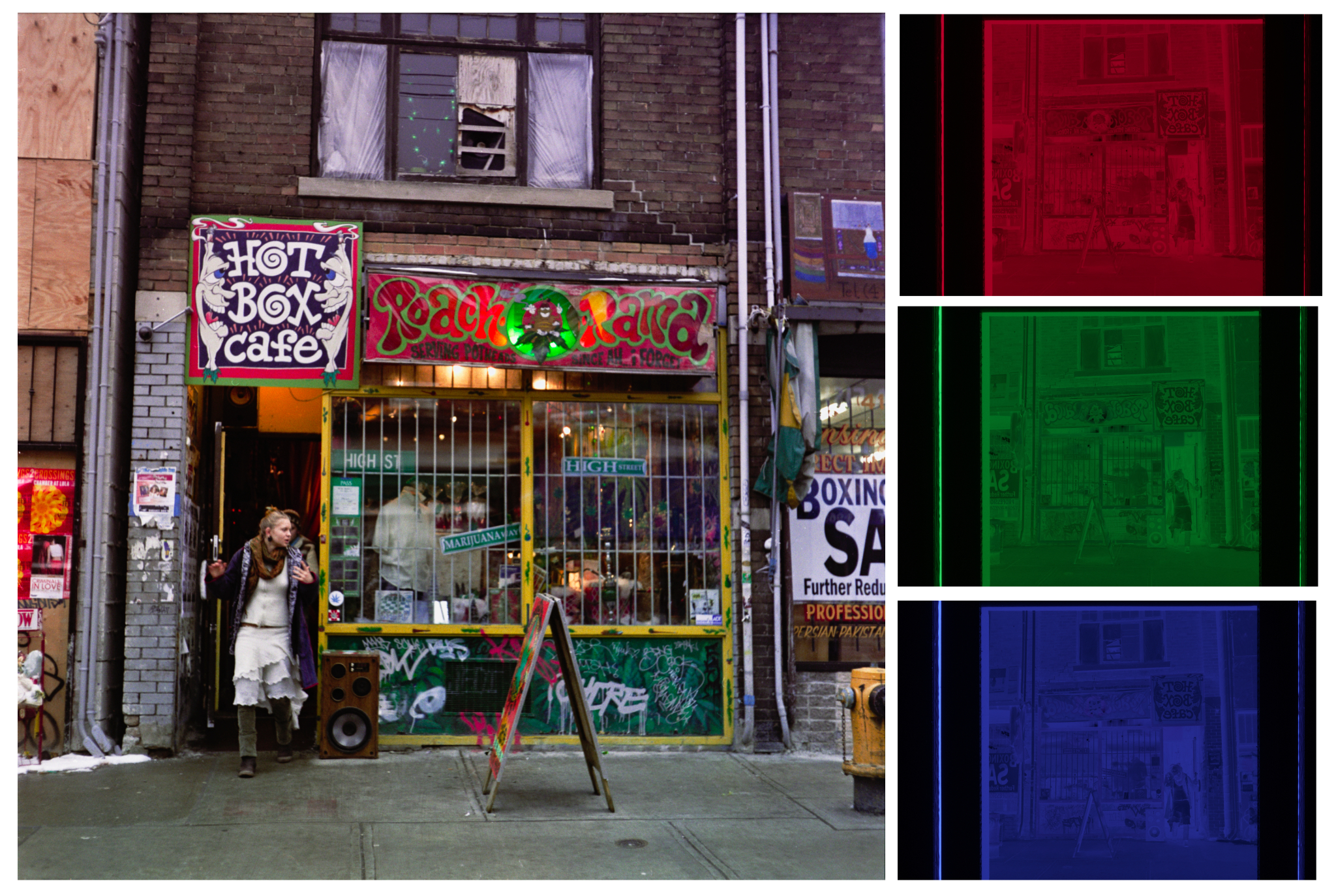
I have been working on getting decent color from c41 negative film (orange mask) scanned with a digital camera. I finally setup the trichromatic method and a light (scanlight) with 3 sets of special spectrum LEDs. Why this works
Once the camera and light is set up, the time per frame is much faster than both a flatbed and my Plustek also the resolution higher for both medium format and 35mm. NegPy is a the free program that calibrates and removes the orange mask. It produces a decent final positive but I’m picky so I use the printer output for my catalog and the flat file conversion as the input to Affinity. I batch convert the tiff output files to dng using adobe bridge (free cataloging program by Adobe), You could also use the library module from an old version of lightroom to do the conversion but I don’t like their pleading to resubscribe. The DNG file format is best because Affinity doesn’t treat tiff files the same way as RAW files thus the development module isn’t nondestructive like it is for RAW. Now that in Affinity 3.3 the development module has presets, with one preset you can get 90% of the way there. I handle dust and spots by using the selection brush at 10 px to select every spot, When I’m finished I save the selection to a spare channel. The last step before output I merge visible and apply the the channel as a selection mask, and apply the inpainting filter. I’m really impressed how well the inpainting works at invisible mending small spots, if I then want to change tones or contrast no problem I can use the spare channel to re-apply the impainting.
Note that sometimes for dense negatives I exposure bracket for each of the 3 colour scans. I then put the 3 with the best exposure into a working folder before running NegPy.
Brash American 1956 Argus C44 versus Precise German 1952 Zeiss Ikon Contax IIIa
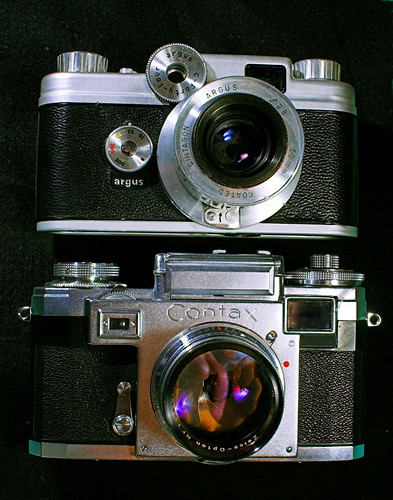
Brash American 1956 Argus C44 versus Precise German 1952 Zeiss Ikon Contax IIIa
Lens German f2.8 versus German Zeiss f1.5
flash x-sync versus strange cable
Maximum shutter speed 1/300 versus 1/1250 of a second
Minimum shutter speed 1/10 versus 1/1
Meter No versus Yes
Self timer No versus Yes
Rangefinder slight edge to the Zeiss
Smoothness of focus, film advance and speed clunky versus as smooth as silk
Distance scale for hyper focal length easy to read by looking down at camera versus badly placed hard to read scale.
Setting f stops easy because end of lens does not rotate versus difficult because end of lens with f stop rotates making the controls rotate around the camera also because of the smoothness of the focus unless you lock the focus (easy to do) changing f stop could affect focus position.
Sound of shutter starter pistol versus silencer
Ease of changing lens very difficult versus less difficult
Ease of loading film better design and built in takeup reel versus removable take up reel and clumsy loading partially outside the camera
Cost $55 versus $280
Fun factor Argus as the Zeiss is just too precision crafted to use as a fun camera
Reliability Zeiss still going strong but the Argus is dead may it RIP
Image Quality You be the judge but I suspect the legendary Zeiss f1.5 will win out
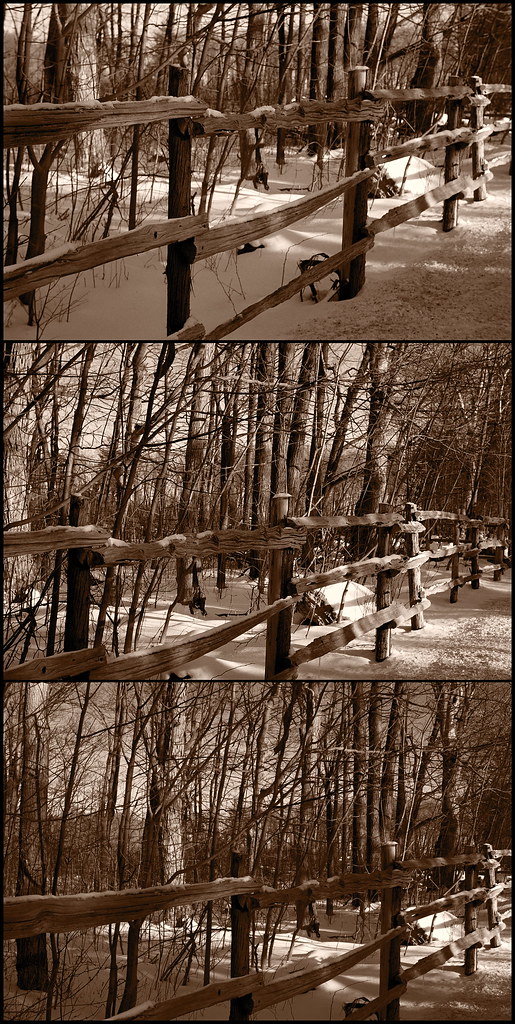 |
| Which is Which: Canon 350D, 1956 Argus C44 or 1952 Zeiss Ikon Contax IIIa? |
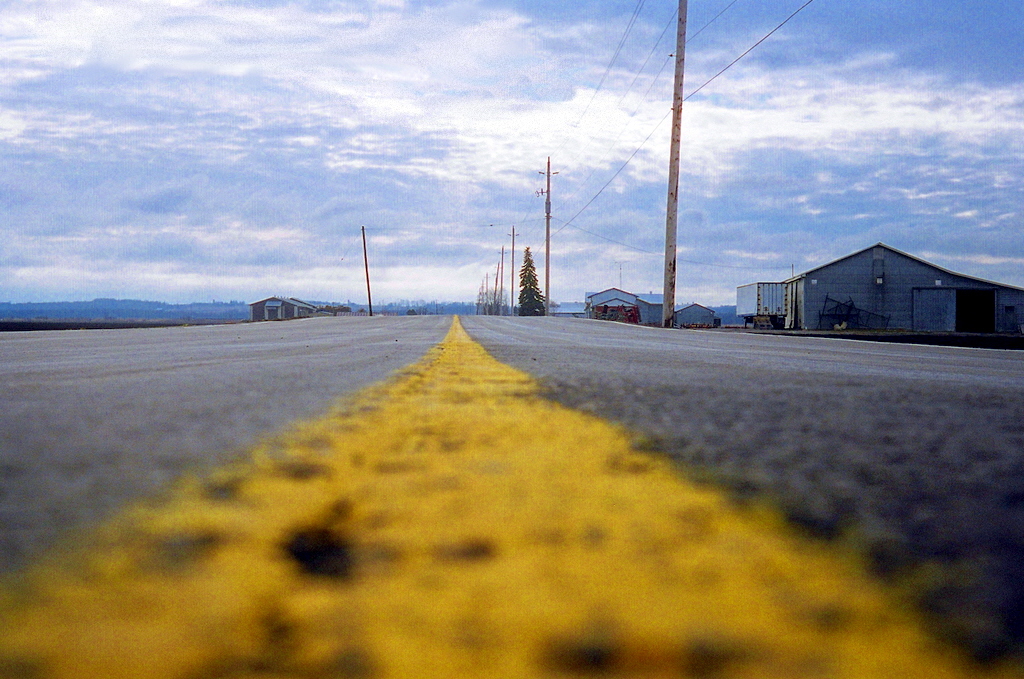
Argus
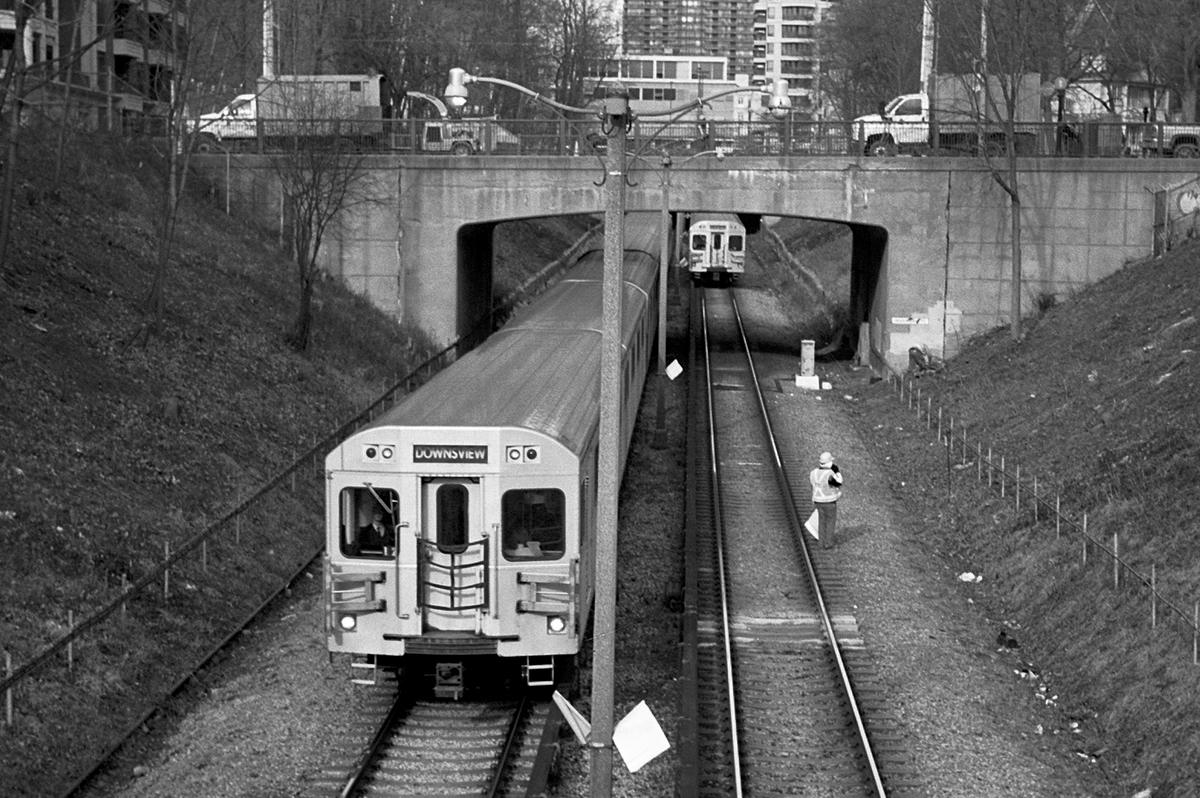
Argus
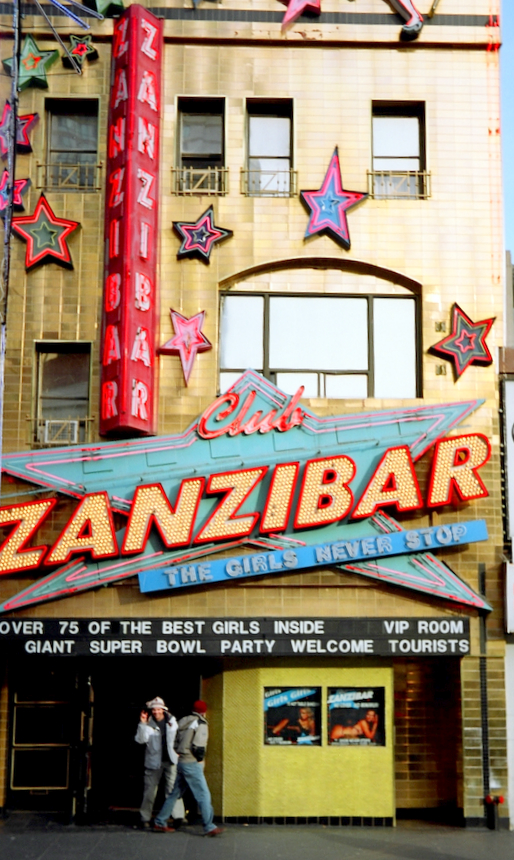
Argus
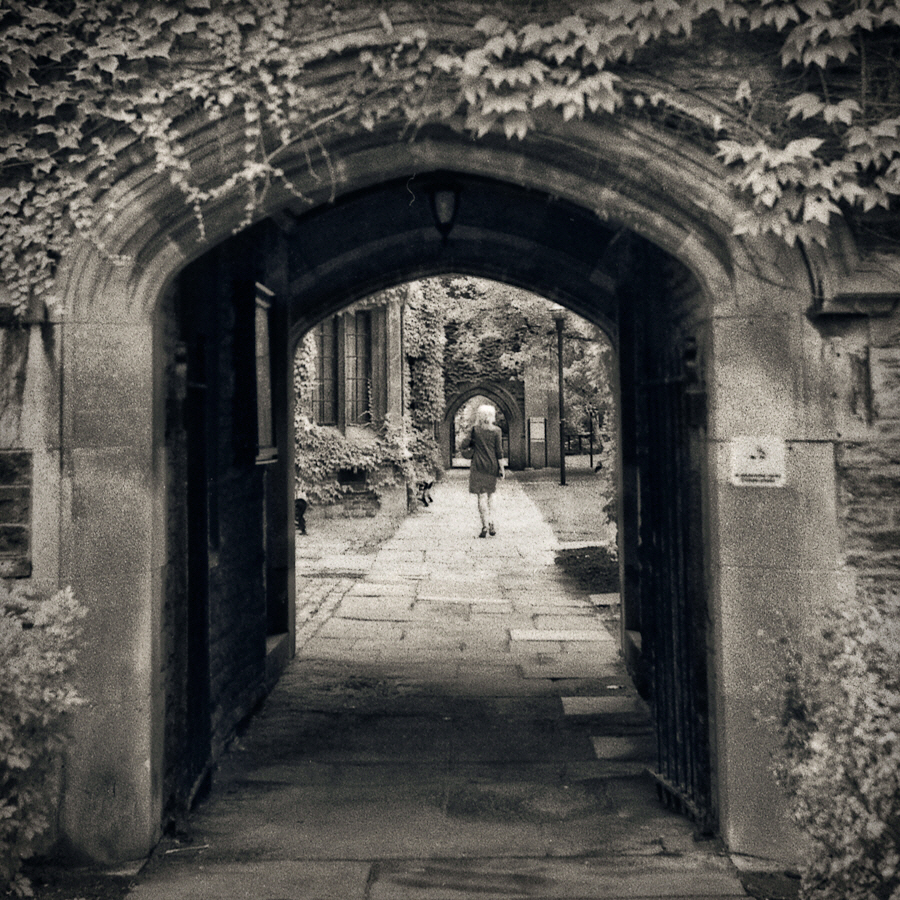
Zeiss
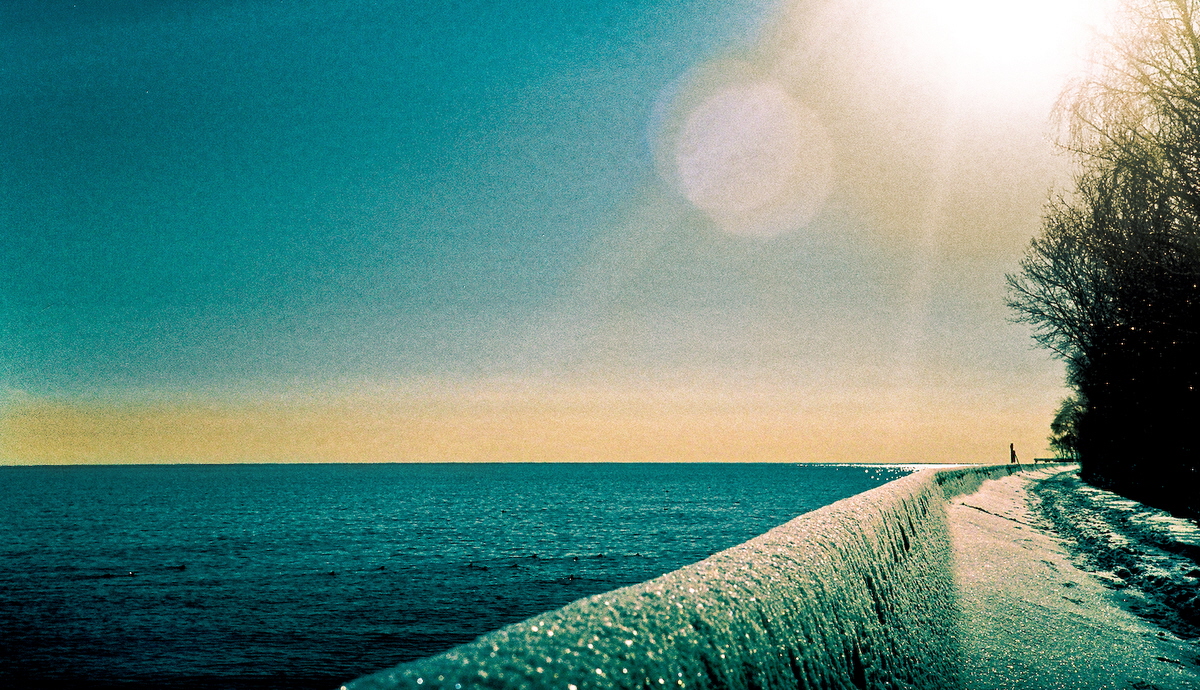
Zeiss
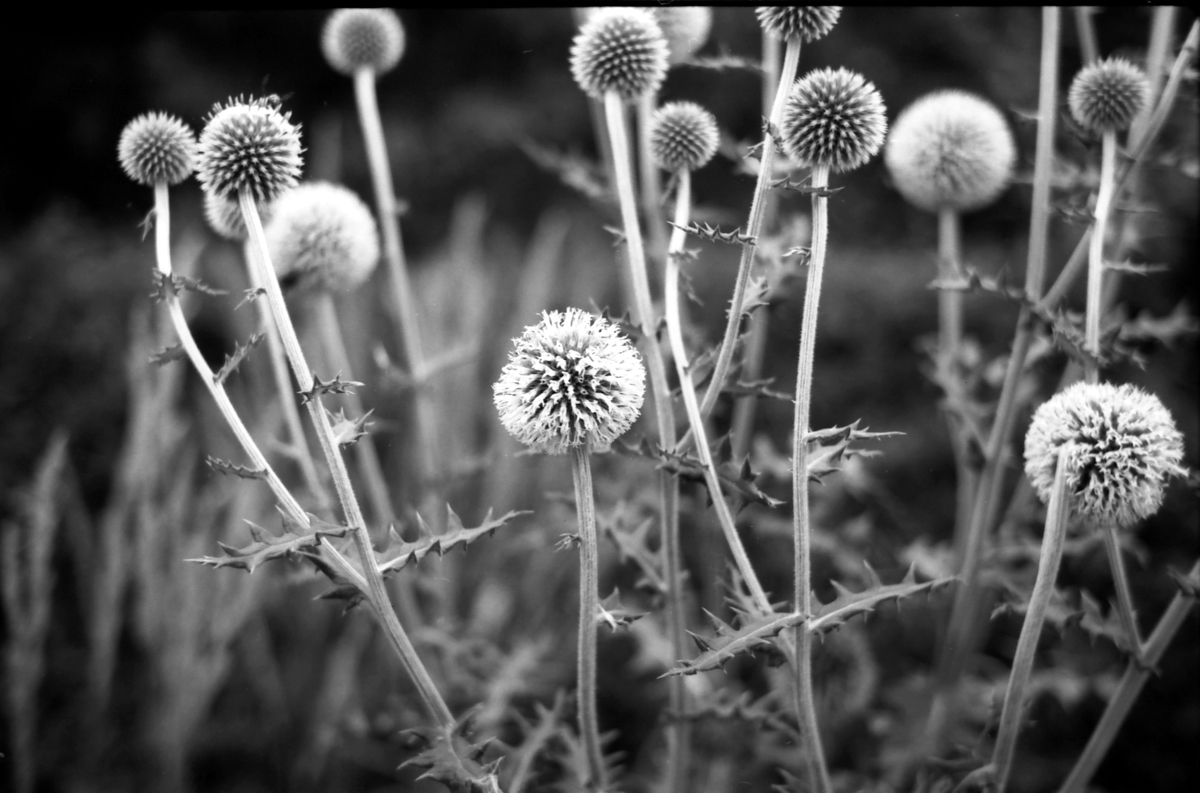
Zeiss
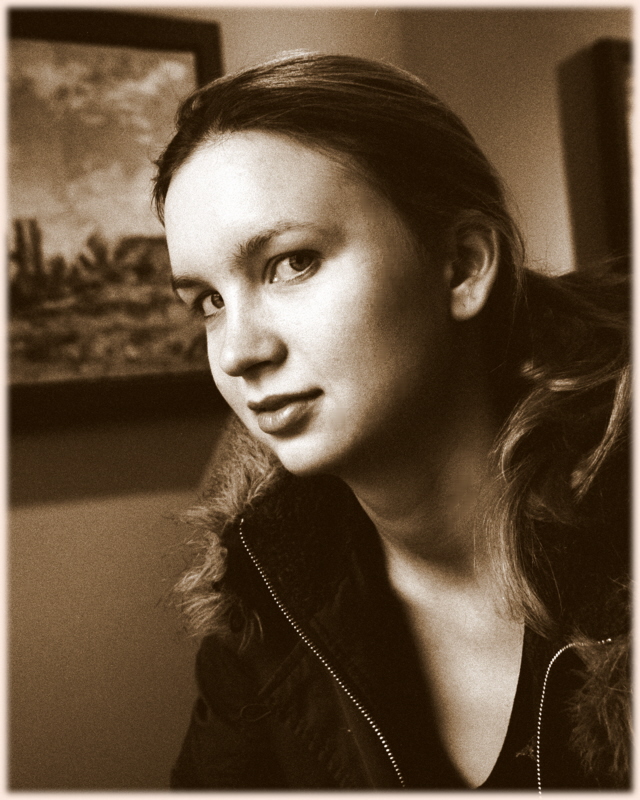
Zeiss
Answer to which is which lens question:
Top: 1956 Argus C4 50mm lens at f11 at 1/100sec
Middle: 1952 Contax IIIa at the same setting
Bottom: Canon 350D 24 – 105L set at 40mm equivalent f9 1/40sec with polarizer