Monthly Archives: July 2013
First Look A Day With The Sony ZL Cameraphone
I had to replace my old Motorola cell phone because of planned obsolescence as it decided to go crazy and send a continuous stream of empty text message to the first land line on my contact list (sorry about that).
I replaced it with a Sony Zl “smartphone” The camera is 13 megapixels, sigh now we have got that out of the way on to important things. The screen is ultra high resolution with a more natural colour rendition which makes what you see more of a what you get then most of the flashy high saturation tablet/smartphones.
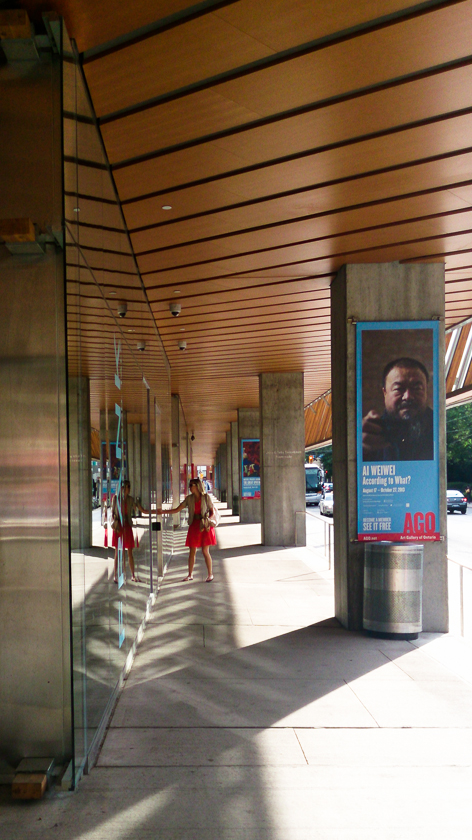 |
| Portrait Aspect Ratio Of The Screen |
Interesting aspect ratio in portrait mode if you tire of the normal 4:3 of a DSLR
The camera has many creative modes that differ from the normal after the fact as you adjust them by touching the screen before you take the shot and not in post. This I find even if the mode is sort of gimmicky (like the image below) it makes me think more about the composition before I take the shot.
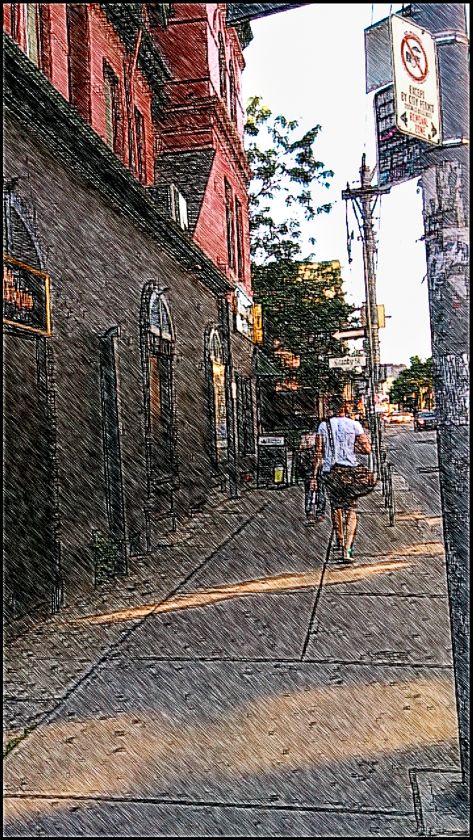 |
| Sketch Mode |
Actual like the selective colour mode even though normally I’m not a big fan of doing it after the fact. You select the colour by using your finger tip to brush in the colour before you take the photo.
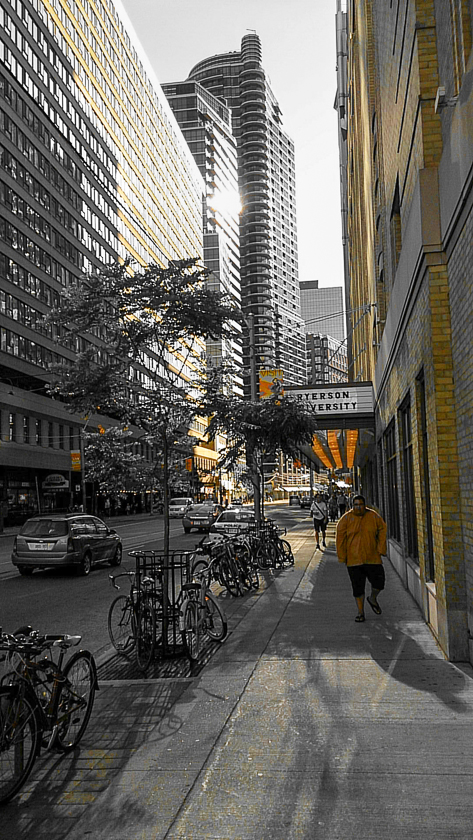 |
| Selective Colour Orange |
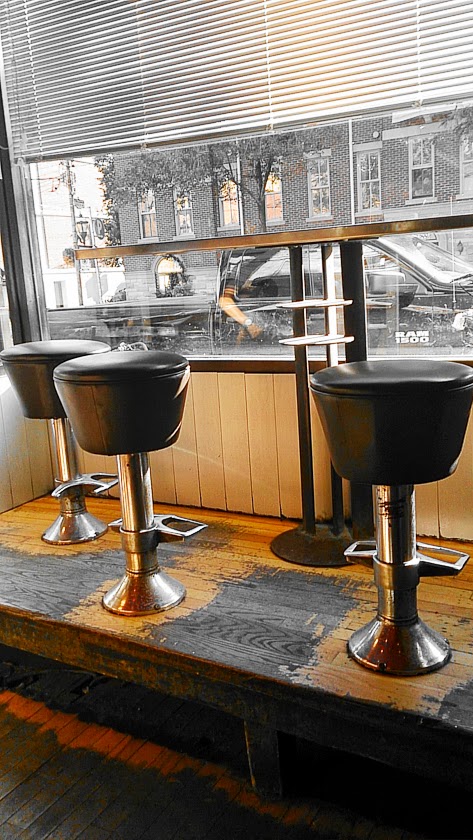 |
| Selective Colour Orange |
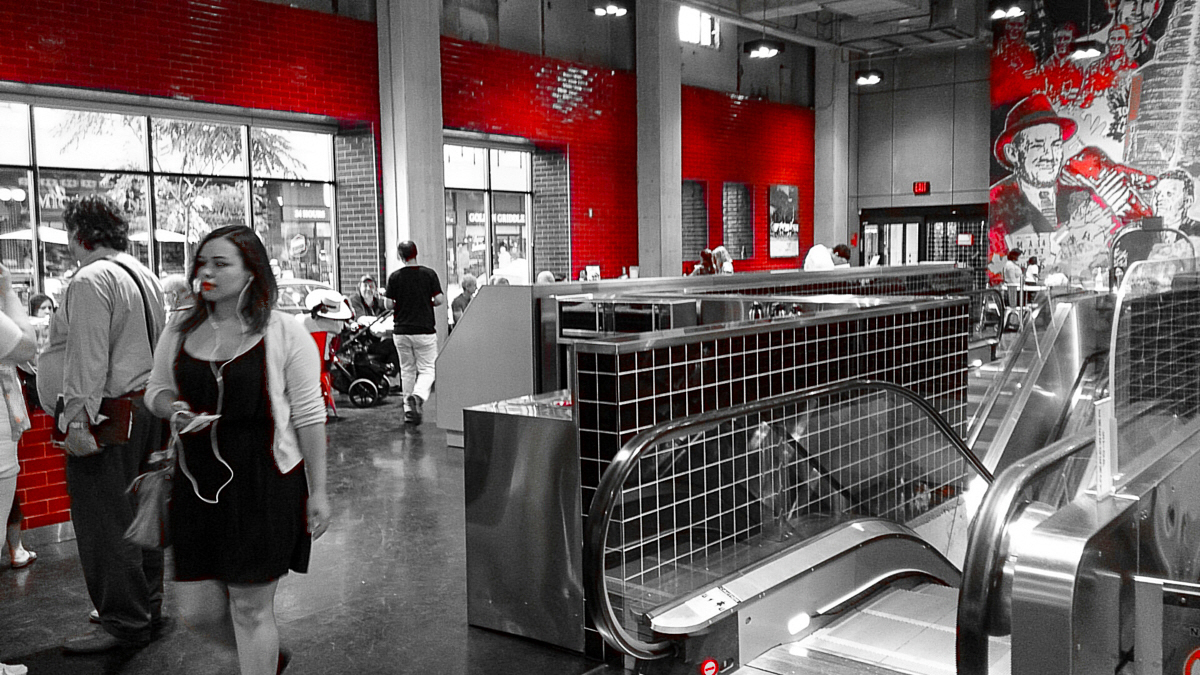 |
| Selective Colour Red |
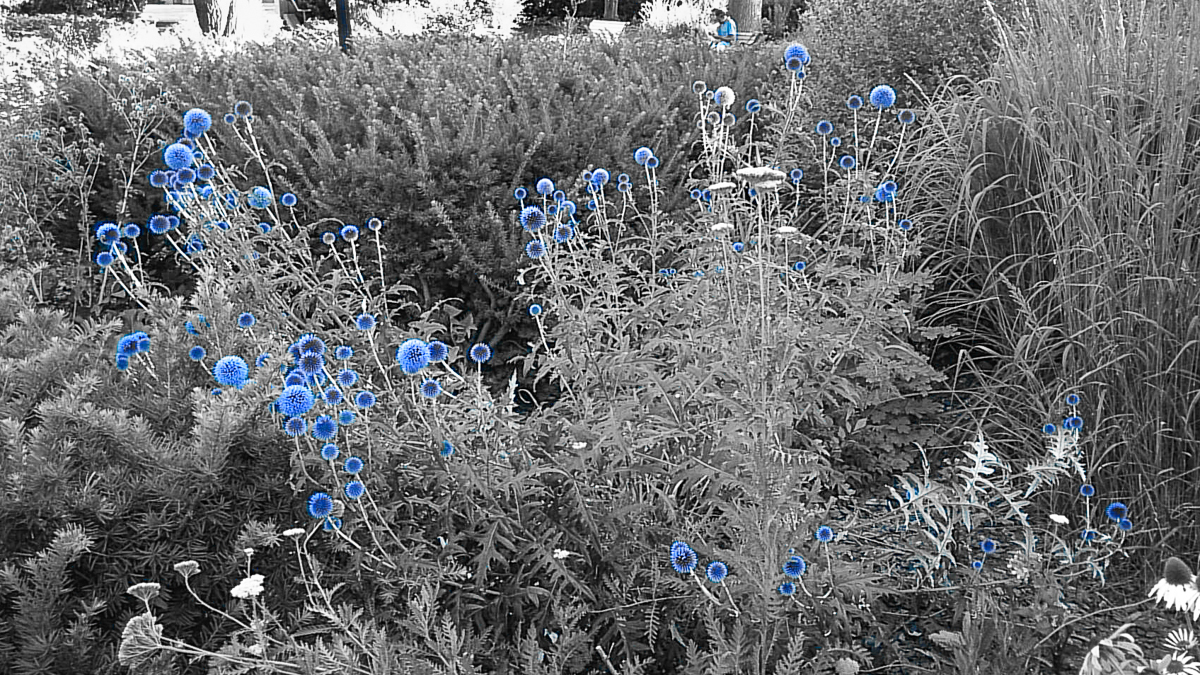 |
| Selective Colour Blue |
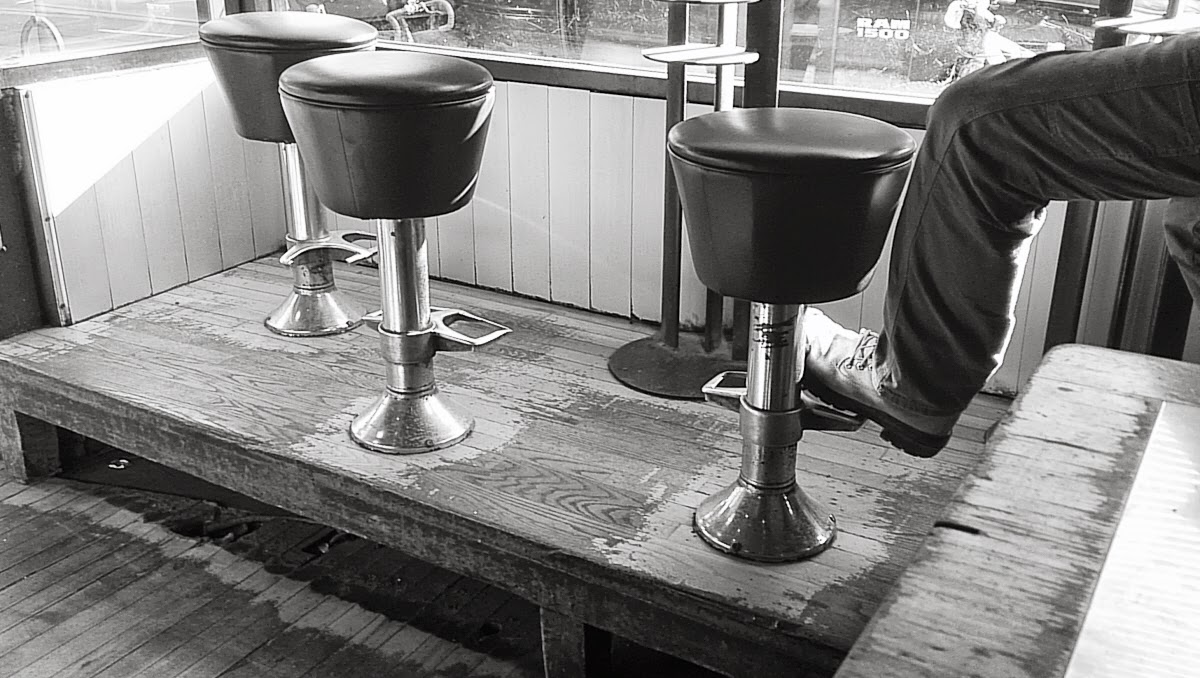 |
| B&W Mode |
 |
| Kaleidoscope Mode Is Amusing |
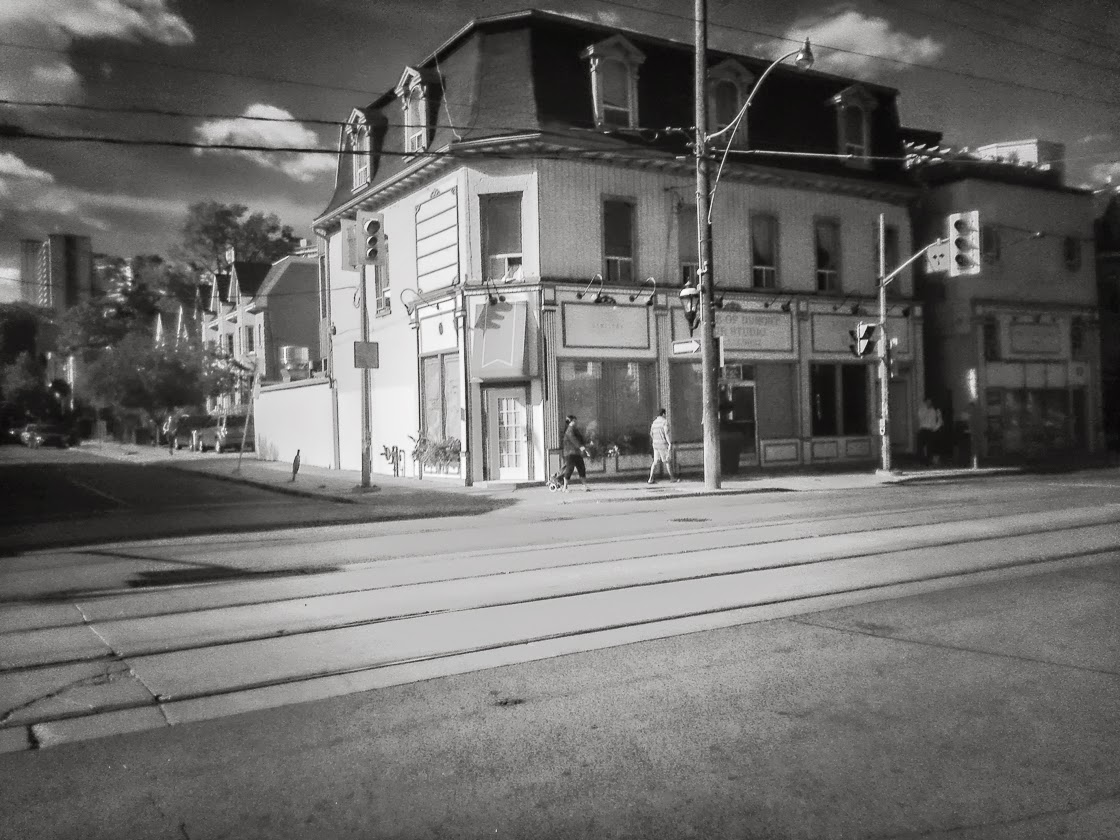
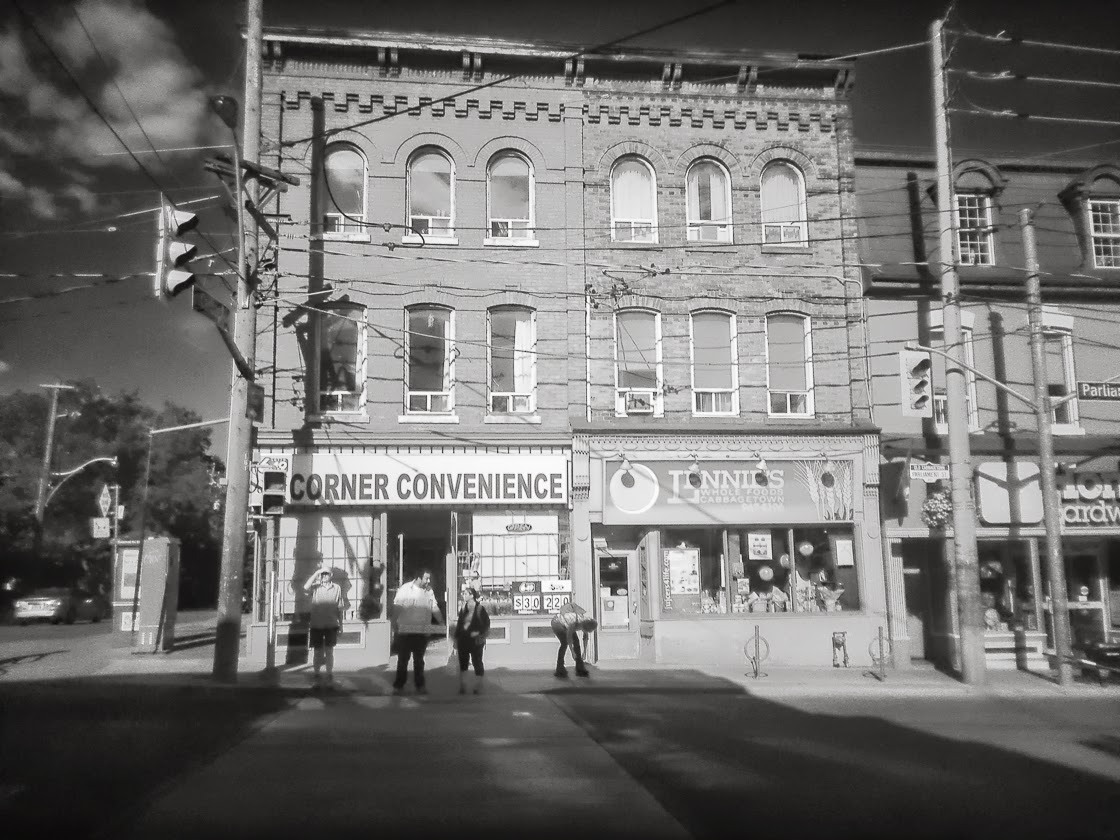
The next three were taken with a deep red Infrared filter held over the lens. Infrared sensitivity with the new sensors is not as good as the older less sophisticated sensors.
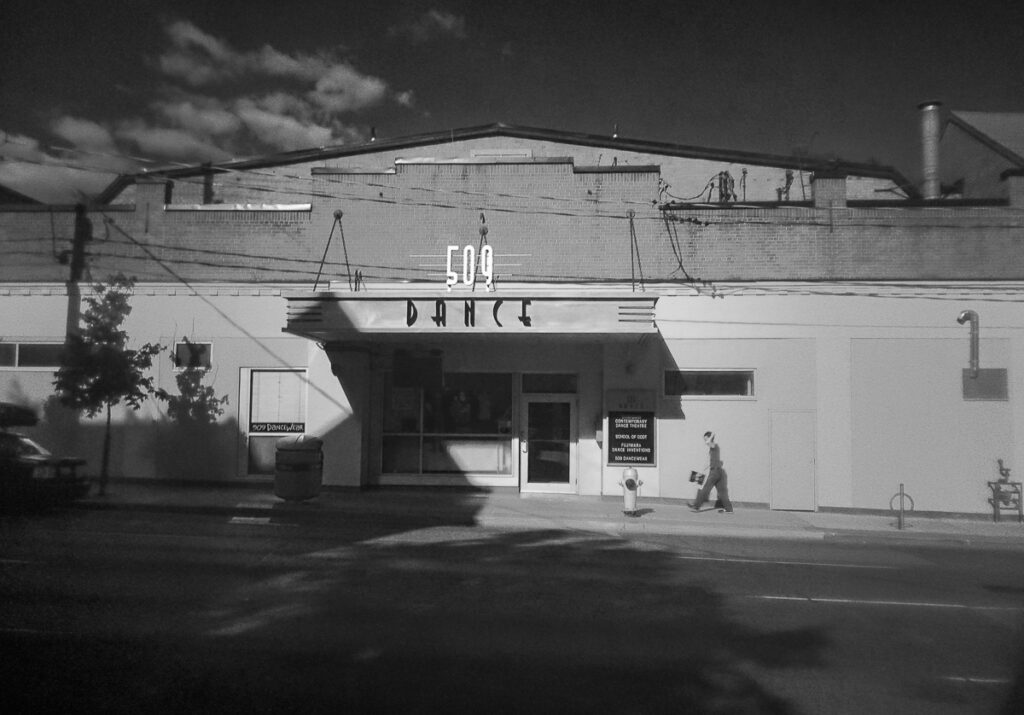
Automatic in camera HDR mode works as long as the subject doesn’t move. Normally either the top would be blown out or the bottom would be too dark
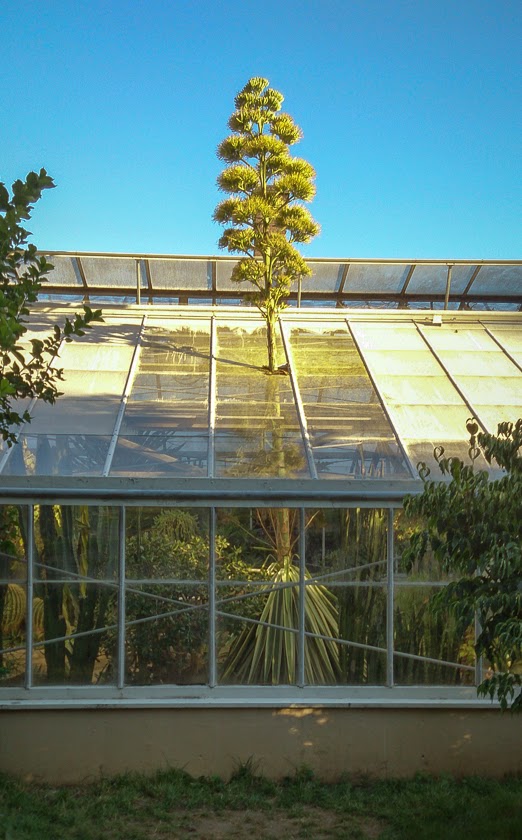 |
| Late bloomer: this 75 years old agave americana at Allen Gardens Toronto blooms once and then dies. |
On the fly hand panoramics are also an interesting feature except when as in this case there is a moving object.
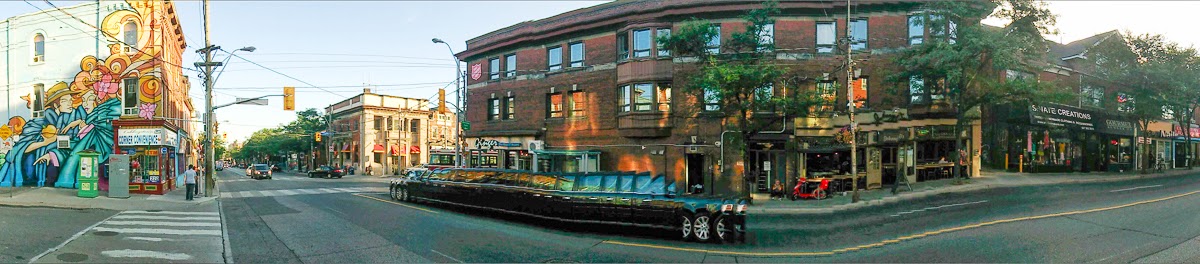 |
| Stretch Limo Pano |
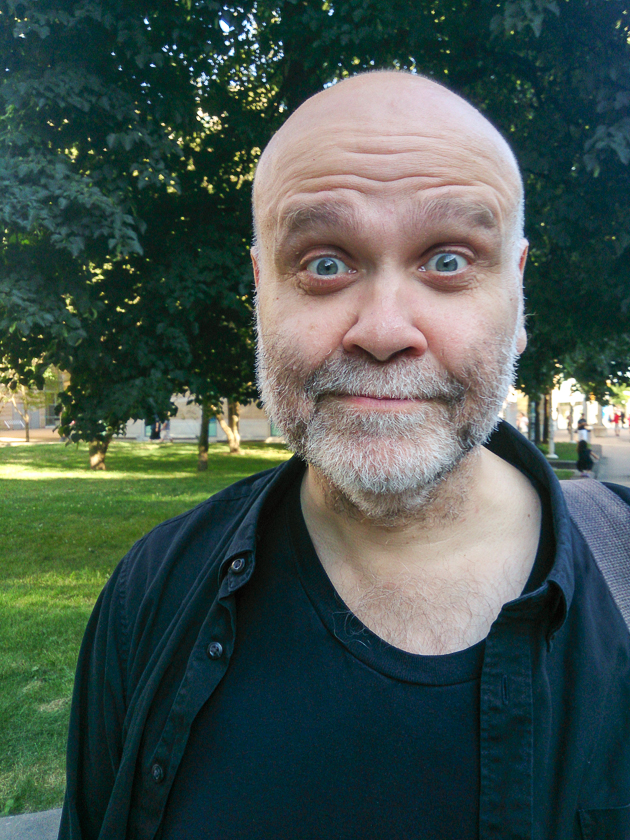 |
| Using the smile detector function to fire the shutter seems to be a failure! |
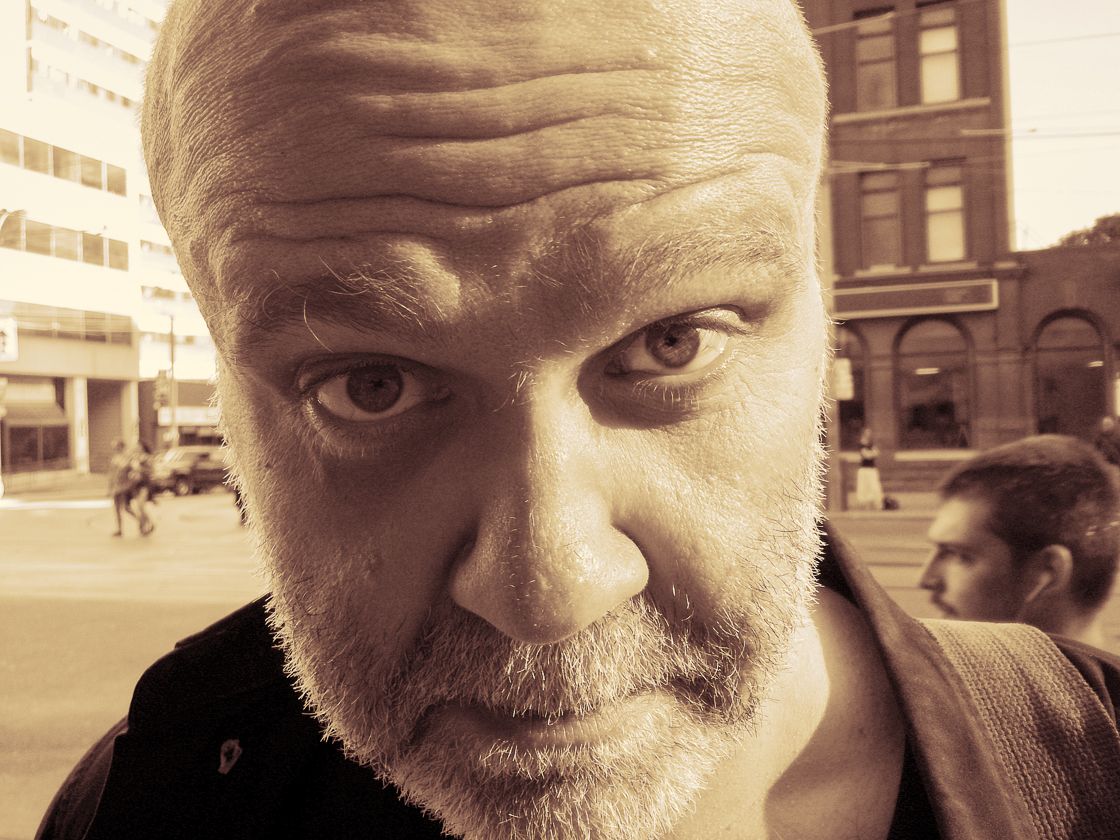 |
| Closeup where is the beauty mode when you need it? |
- Shoot in burst mode
- Drop shots in MS Movie Maker (free)
- Set zero inter frame transition time
- Set duration of every photo 0.1 seconds
- Make a short movie clip
- Drop movie into Microsoft Research Cliplets (free)
- Fool around in Cliplets
- Export final product
- Have fun driving people crazy
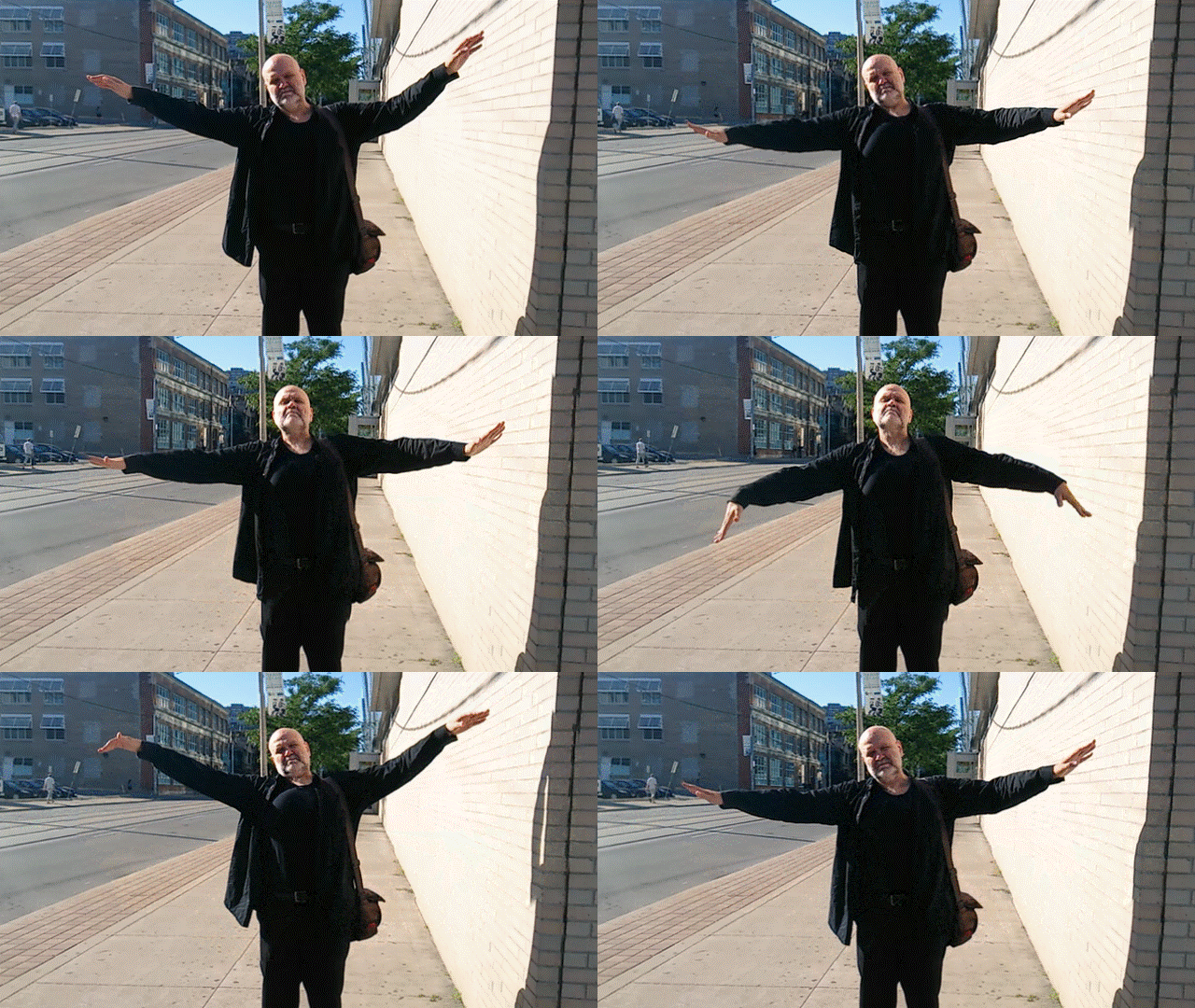 |
| A Vilk Trying To Fly |
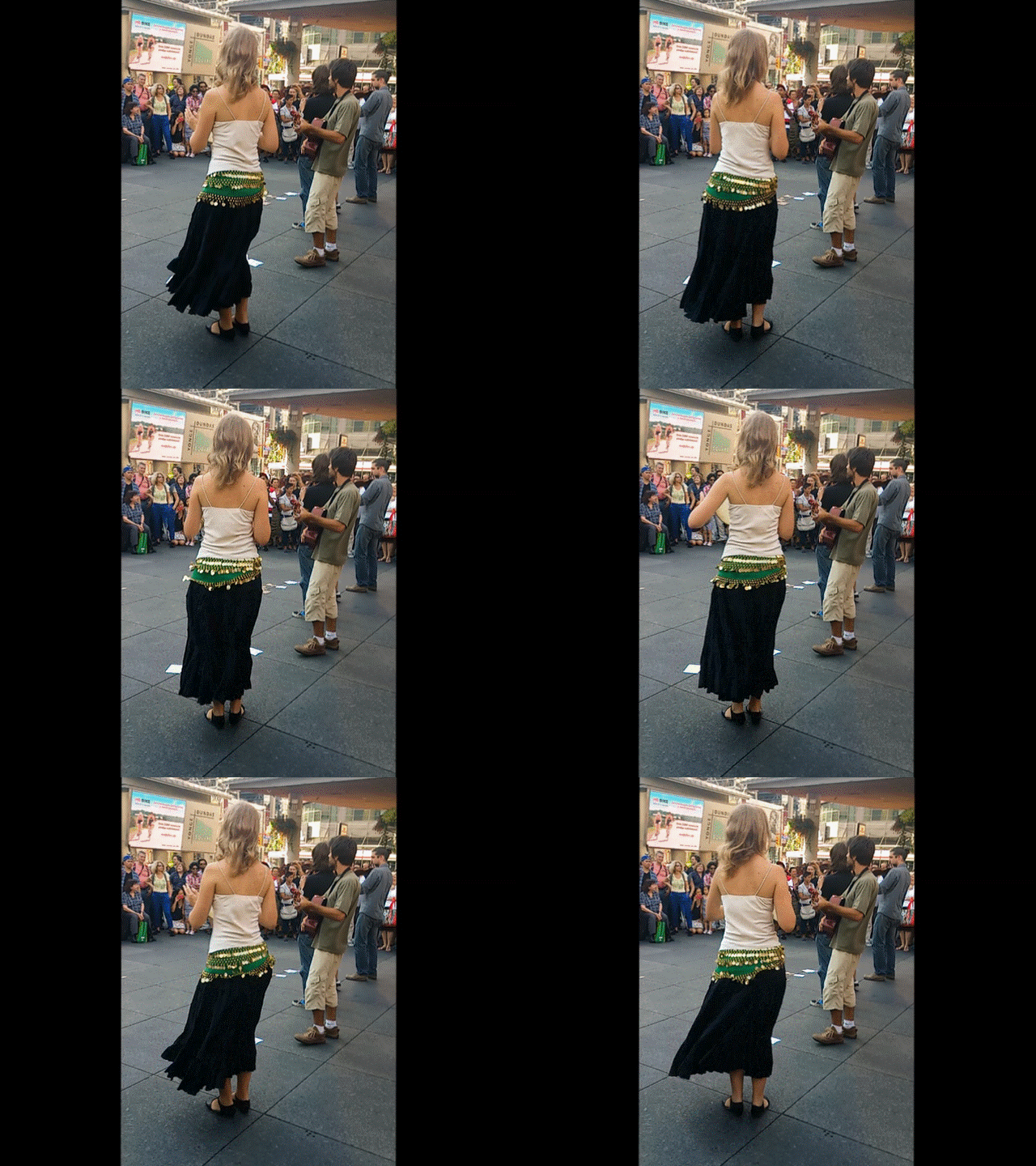 |
| What I saw |
Because I shoot mainly medium format film I use a lightmeter so as a possible travel light replacement I tested many of the android light meters apps and ended up with this one play.google.com/store/apps/details?id=com.dq.fotometroNa
From 1 ev to bright sunlight both in incidence and reflective mode it was within 1/2 of a stop when checked against 2 different Gossen meters plus a Nikon and Canon film camera.
The accuracy IMHO has a lot to do with what model of cell phone you have yet some software was clearly better than other software. The spotmeter function is quite useful.
Silver Alchemy – Xtol Plus Rodinal Part II
 |
| Overheard on the street: “My dad say I should remarry him” Kodak Tri-x developed 5min. Xtol 1:2 and then 4 min. Xtol 1:2 + Rodinal 1:115 25c |
This is a short update on my original article of adding Rodinal to Xtol. I have been adding Rodinal to Xtol to good effect since 2010.
So why change now? With a purchase of a higher resolution 35mm scanner I’m finding that I want even more control both of the grain and of the compensation in the shadow areas. While I can do it by controlling the ratio of Rodinal to Xtol it becomes a bit tricky to manage all parameters especially when it comes to temperature compensation.
In the last few months through a series of experiments I have come up with this variation on my original method which gives both good results and fine control.
Set up the dilution ratio of Xtol as normal. I try to keep the normal developing times between 7 to no more than 16 minutes. For the last 4 minutes I pour the xtol into a container that has had rodinal added, then pour it back onto the film and then develop the remaining 4 minutes.
 |
| Mohawk In Support Of Maggie’s: The Toronto Sex Workers Action Project Same roll as above |
 |
| Still Mine Kodak Kodak TMAX 400 developed: 5min. Xtol 1:1.125 and 4 min. Xtol 1:1.125 + Rodinal 1:115 at 22c |
 |
| Fresh Air Fomapan Action 200 developed: 5min. Xtol 1:1.125 and 4 min. Xtol 1:1.125 + Rodinal 1:115 at 20c |