Deblur
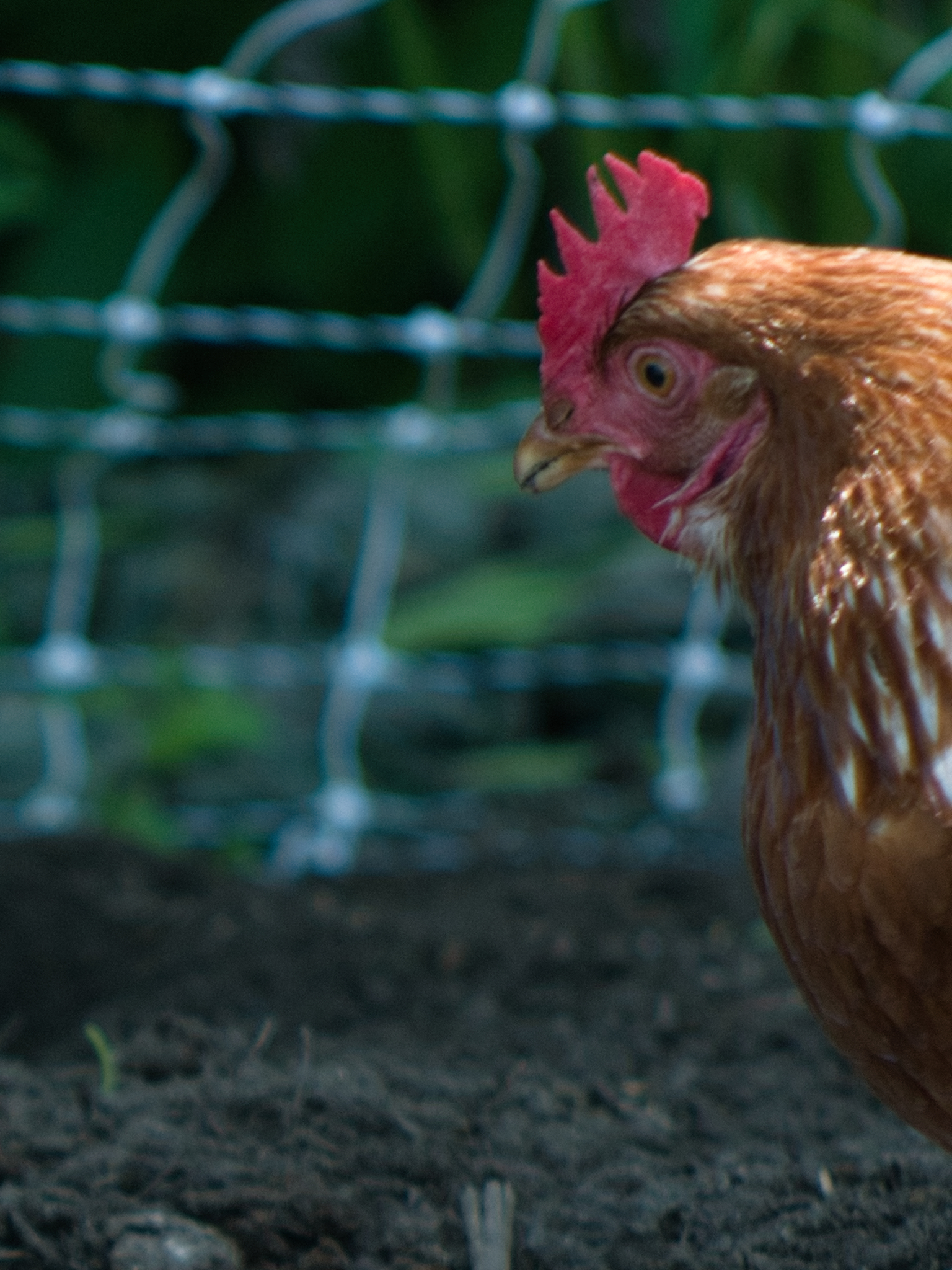
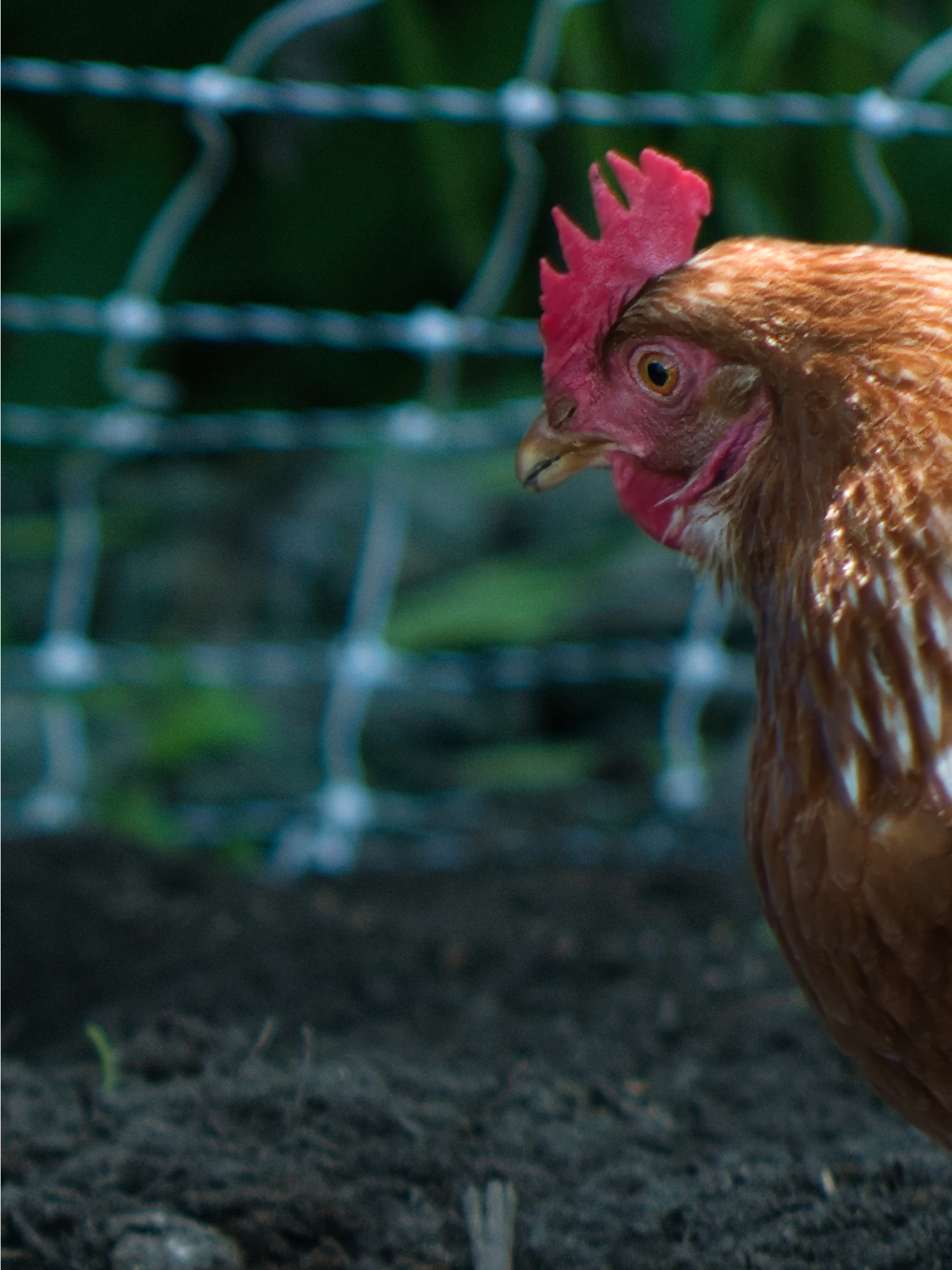
Deblurring should not be confused with sharpening. Main cause of blur is out of focus or motion of the camera or the subject. Other causes could be weather such as rain or mist. A debur algorithm attempts to reverse engineer the blurred image. AI image enhancements can look good but it usually replaces blurred features in an image with made-up information, not a good thing if you are trying to read a license plate from a satellite image. In the case of my favorite chicken above notice the slight blemish at the bottom of the eye and the complicated structure around the base of the beak. Standard AI enhancements tend to smooth out these areas making them almost cartoonish (definitely not real-life). Algorithmic deblur image enhancements also have to make assumptions but the transformation is basically mathematic. Modern methods also use AI methods with the object to get a best fit algorithmically rather than nearest fit to an AI database of birds parts (I know an oversimplification). I used this model and only on the head.