Monthly Archives: December 2010
Before There Was Digital and The Naming Of Photographers

The Naming Of Types
(Stolen and poorly adapted from T. S. Eliot)
The Naming of Types is a difficult matter,
It isn’t just one of your holiday games;
You may think at first I’m as mad as a hatter
When I tell you, a photographer must have THREE DIFFERENT NAMES.
First of all, there’s the name that the family use daily,
Such as Snapshot, Wedding, Nature, Macro or Travel
All of them fun everyday names.
There are fancier names if you think they sound sweeter,
Some for the gentlemen, some for the dames:
But I tell you, a photographer needs a name that’s particular,
A name that’s peculiar, and more dignified,
Else how can he keep up his tail perpendicular,
Or spread out his whiskers, or cherish his pride?
Of names of this kind, I can give you the most accordant
That name is of course Photojournalism.
A name that is a beacon for both truth and realism
With the names Bokeh and Sharpness being of much lesser importance
But above and beyond there’s still one name left over,
And that is the name that you never will guess;
The name that no human research can discover–
But THE PHOTOGRAPHER HIMSELF KNOWS, and will never confess.
When you notice he or she is in profound meditation,
The reason, I tell you, is always the same:
His mind is engaged in a rapt contemplation
Of the thought, of the thought, of the thought of his name:
Of all the names his is the smartest,
His ineffable effable
Effanineffable
That of course is because he’s an Artist
Of deep and inscrutable singular Nature.
Silver Alchemy – Xtol Plus Rodinal
There is a certain modern retro look that I have in my mind for a portrait project I have in the works. The Lomo 120 ISO 100 film AKA Shanghai GP3 looks like a possible film for the project For the developer I would like to use Xtol. Xtol looks good but seem to lack a bit of an edge. Xtol’s primary component is vitamin C and vitamin C is compatible with Rodinal. The idea (from apug) is that a pinch of Rodinal in Xtol adds a bit of edge definition which is normally absent because of the solvent action of the Xtol. So this might be just what is needed.
http://www.unblinkingeye.com/Articles/Rodinal/rodinal.html
http://www.apug.org/forums/viewpost.php?p=959820
New update on the process can be found here: silver-alchemy-xtol-plus-rodinal-part-ii
It’s a balance between grain and highlights with the Rodinal and shadow detail with the Xtol. The 2 developers just happen to be chemically and PH compatible. But Xtol is a solvent compensating developer while Rodinal is not.
I use around a 2 minute water presoak at the same temperature as the developer and standard agitation (first 30 seconds and a couple of seconds every 2 to 3 minutes thereafter). So far in an unscientific sampling it looks like I’m on the right track. Very happy with the results:
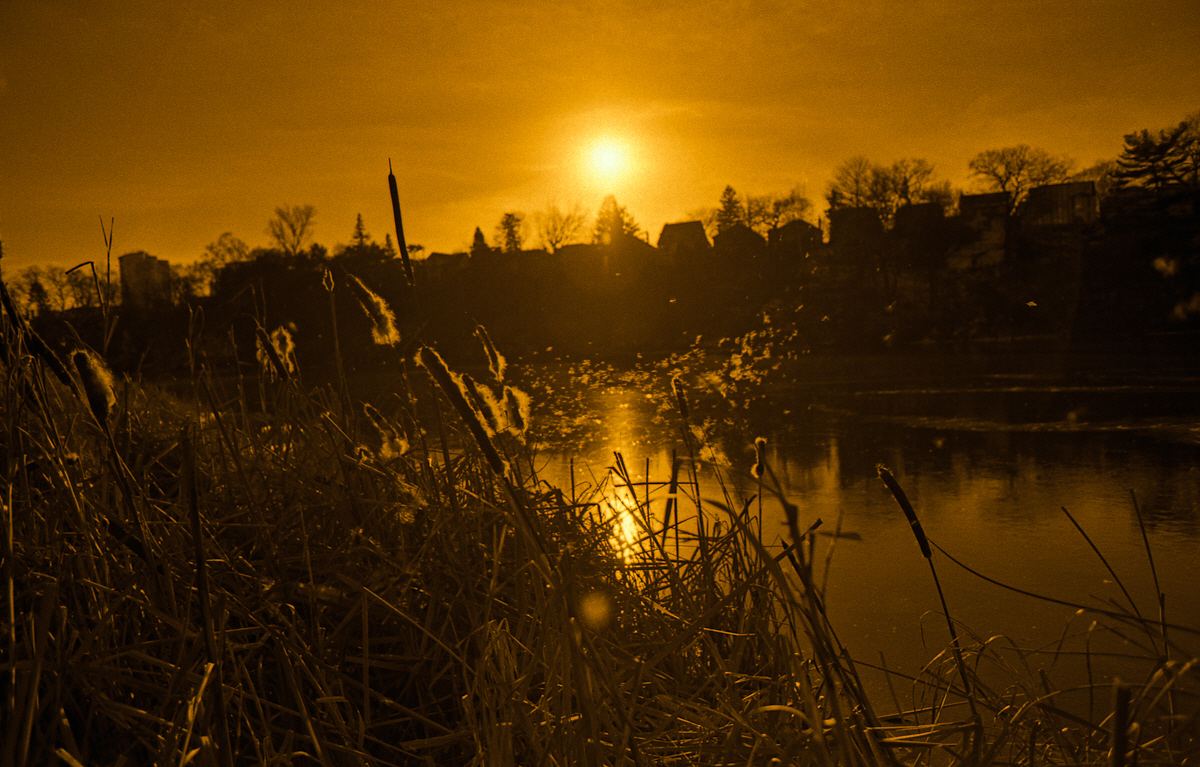 |
| Kodak TMAX 400 “Xtol 1:2 + Rodinal 1:112 for 10.5 minutes 19c” Xtol was meant to be the dominant component yet with the tmax 400 I can see a definite difference in the highlights over xtol alone. I know by my scanning histograms compared to previous work with xtol and TMAX that the DMAX has increased with more highlights and midtone details then what would normally be seen with xtol alone while the shadows are pretty normal for xtol 1:2. |
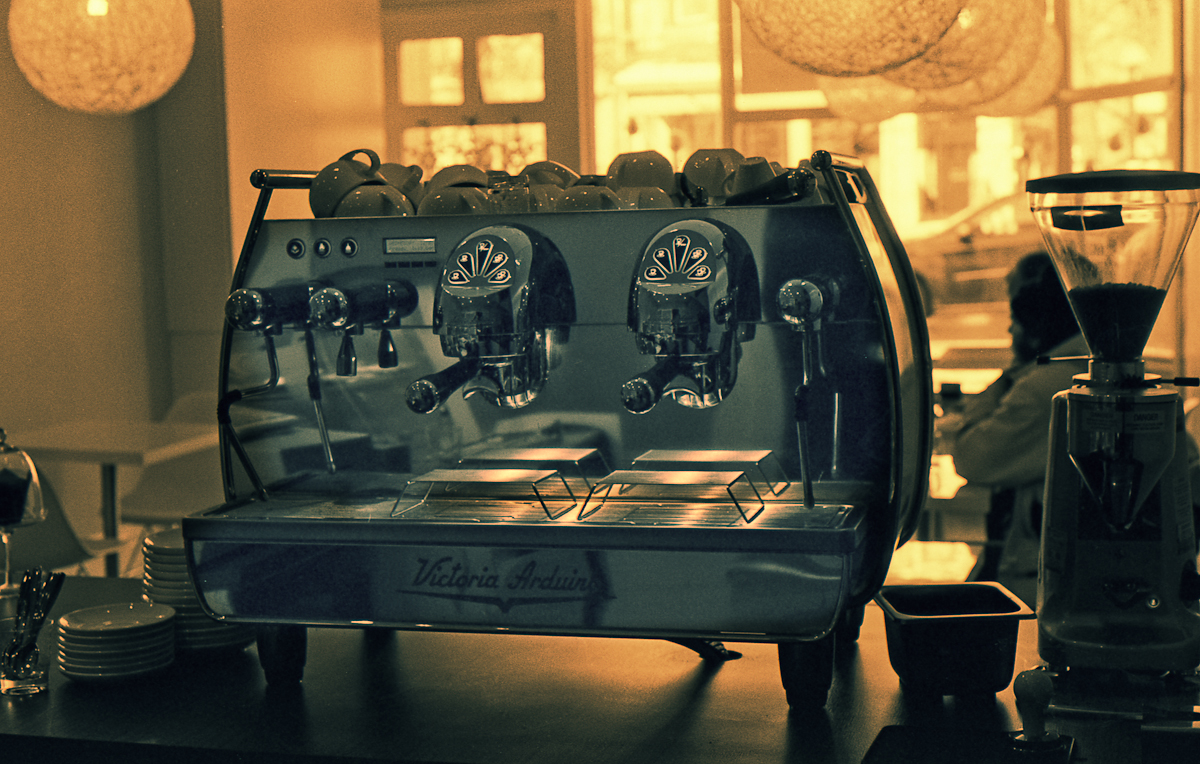 |
| Fuji Neopan 400 “Xtol 1:2 + Rodinal 1:112 for 12.5 minutes 19c” It is less clear that there is any benefit to adding Rodinal to Xtol when developing Fuji Neopan 400 at box speed. I suspect that because it is easy to block shadows with Neopan 400 at box speed using 1:2 Xtol instead of my normal 1:1 Xtol the shadows are closing obscuring any benefits of adding the Rodinal. Upping the Xtol to 1:1 seems to give better results. |
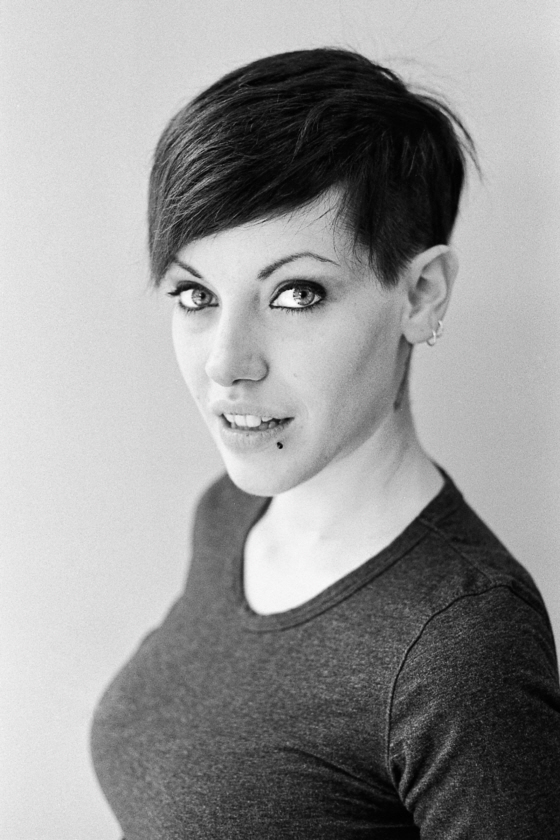 |
| Neopan at 400 souped in xtol 1:1 plus rodinal 1:112 for 9 minutes19c |
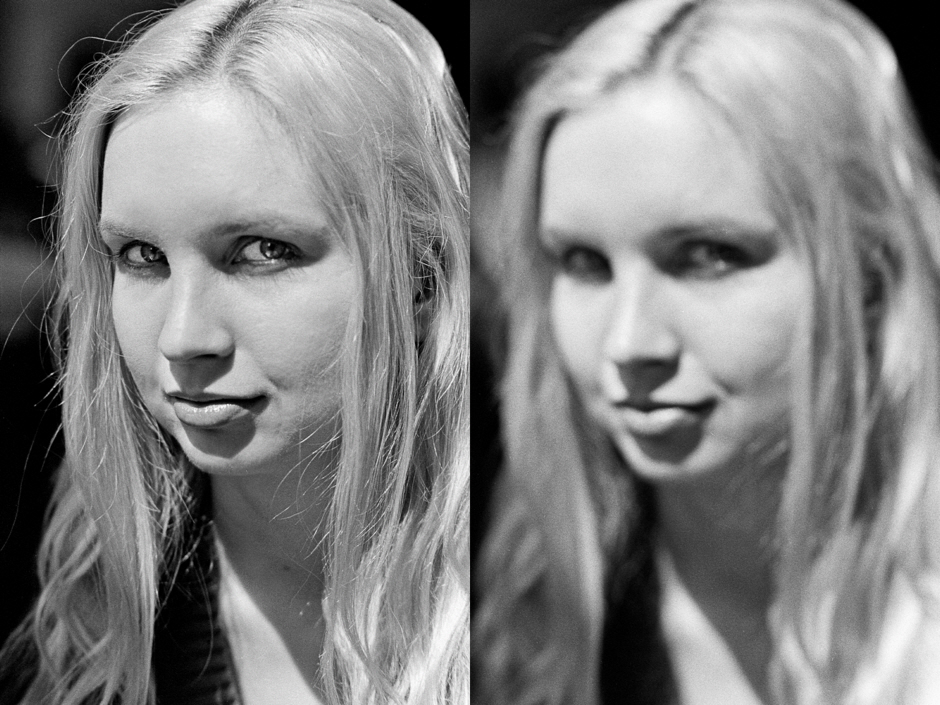 |
| HP5 at 400 souped in xtol 1:1 plus rodinal 1:135 for 9.5 minutes19c HP5 is a difficult nut to crack The first time was far too grainy. The second time worked much better very sharp maybe even too much acuity. |
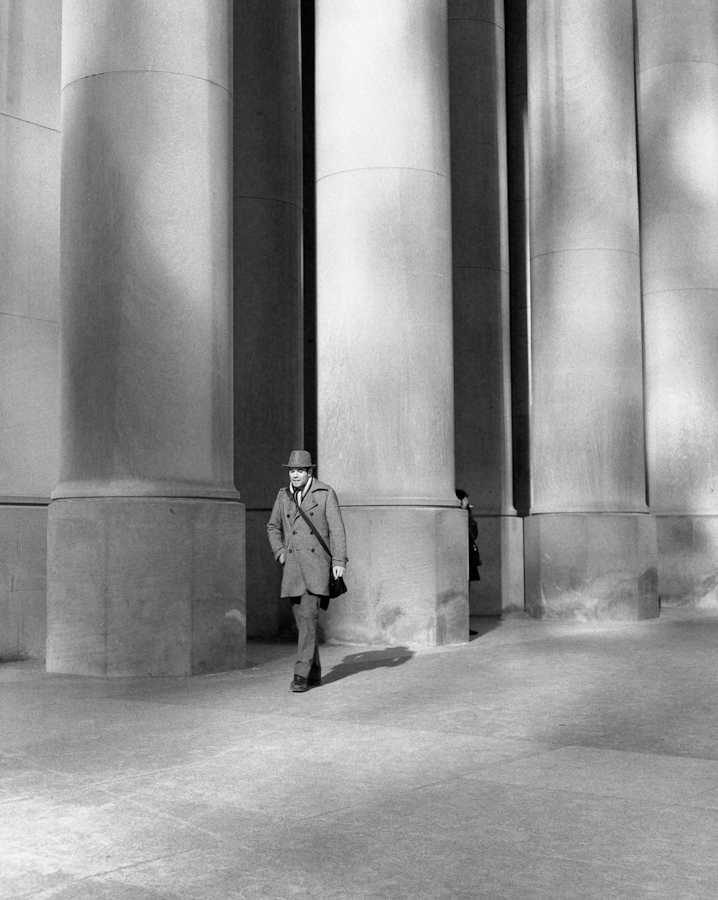 |
| Shanghai GP3 developed in Xtol 1:2 + Rodinal 1:112 for 15 minutes at 19c. |
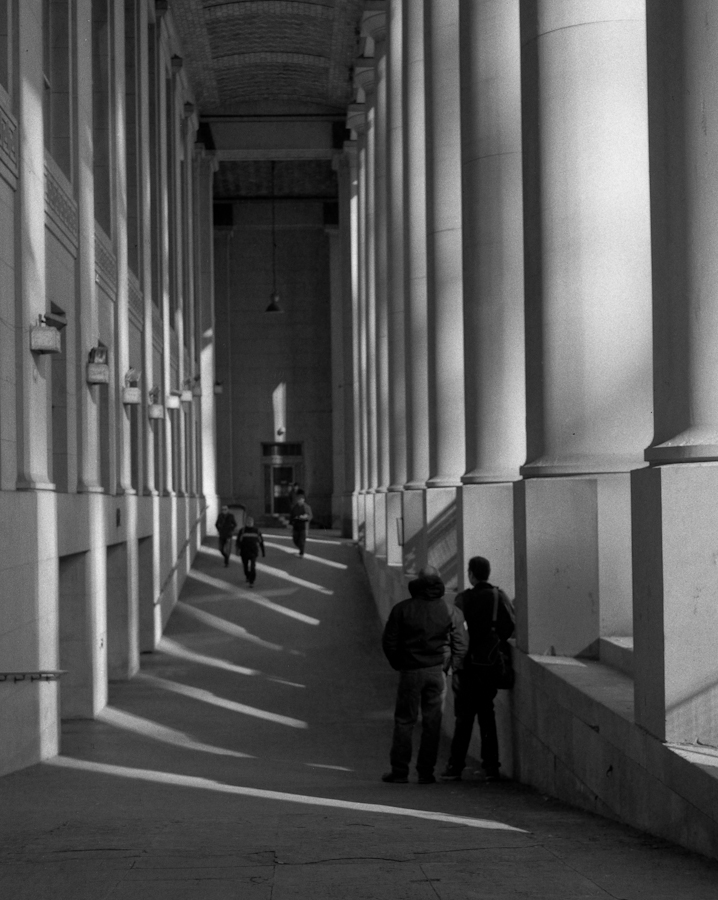 |
| Shanghai GP3 developed in Xtol 1:2 + Rodinal 1:112 for 15 minutes at 19c. |
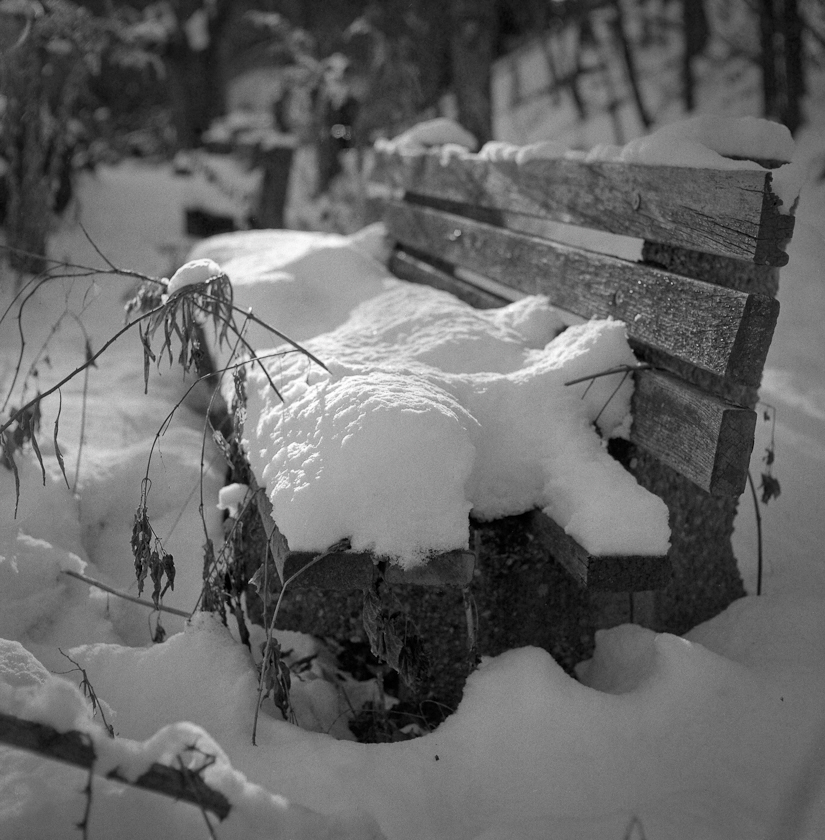 |
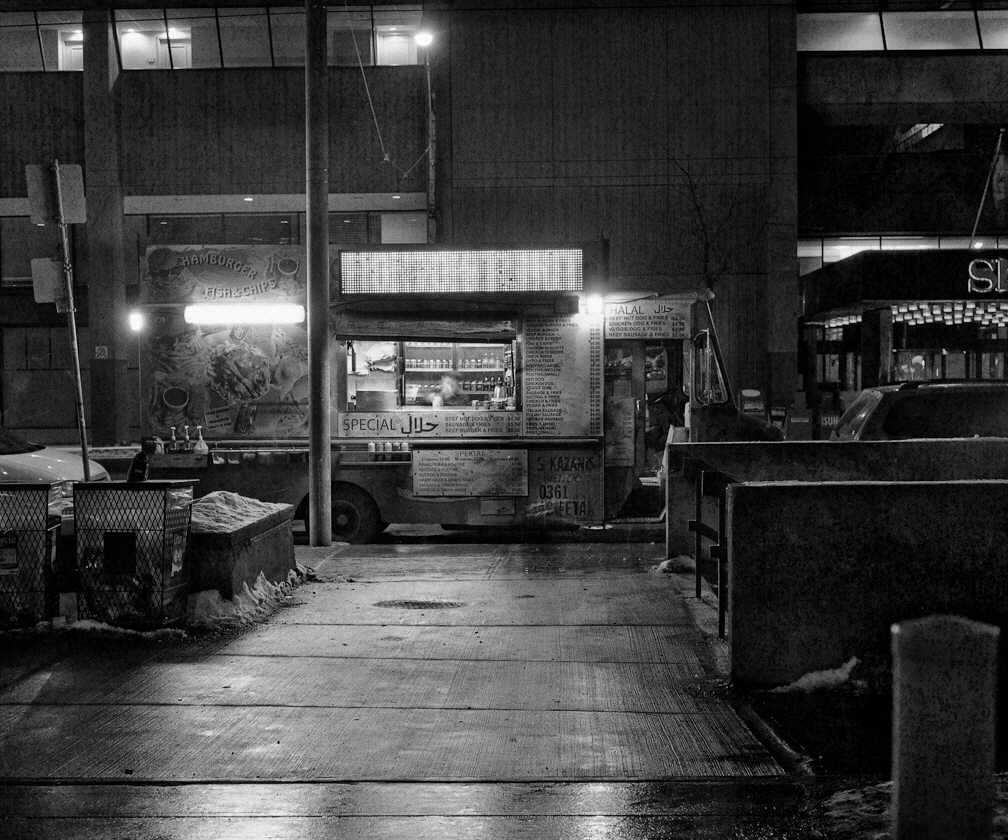
| Shanghai GP3 developed in Xtol 1:2 + Rodinal 1:112 for 14 minutes at 19c. |
 |
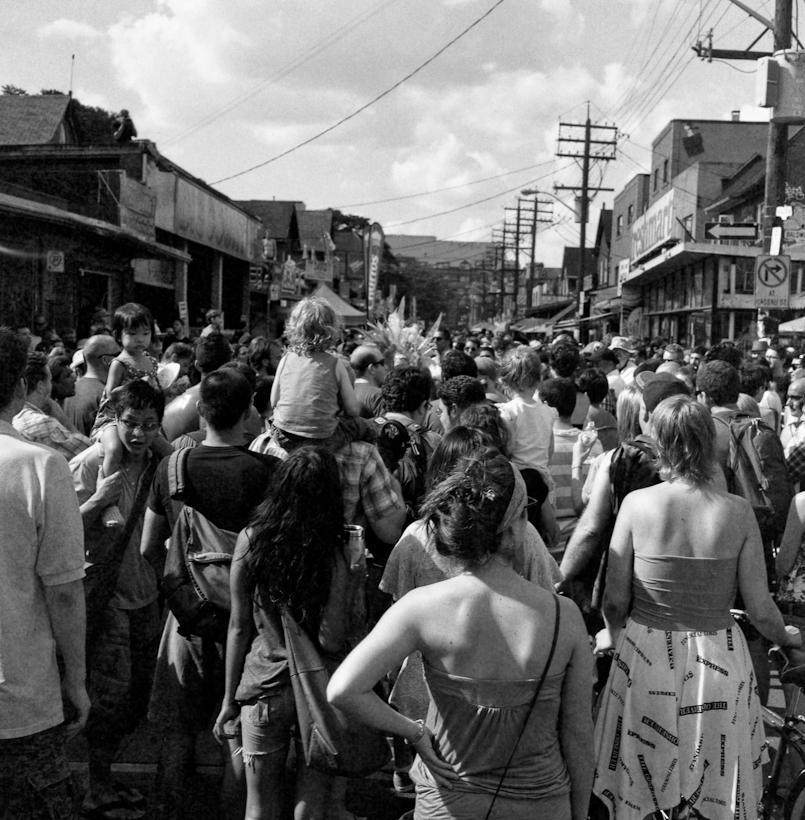
| Shanghai GP3 developed in Xtol 1:2 + Rodinal 1:112 for 14 minutes at 19c. Hard to see at this resolution but good sharp details with the snow grains and just a touch of blotchyness in the deep shadows. Looking pretty good but I need to get a better baseline before I can make any conclusions. |
 |
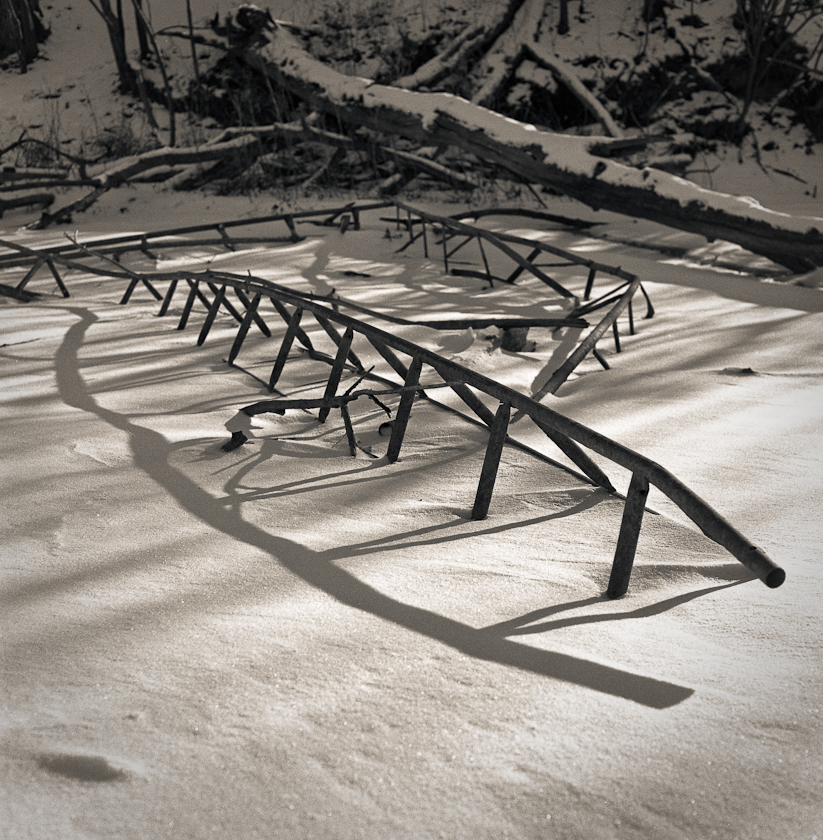
| Shanghai GP3 in Xtol 1:2 + Rodinal 1:100 for 10 minutes 27c, pushed +1 shot at ISO 160 |
 |
|
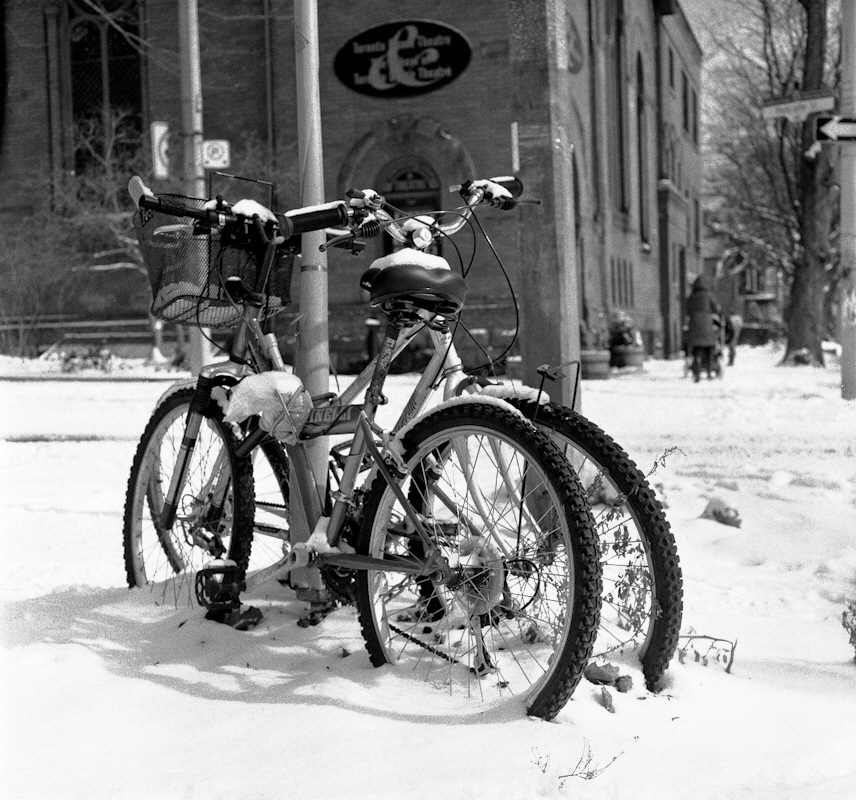
Tri-X 320p “Xtol 1:2 + Rodinal 1:112 for 12.2 minutes 20c
Tri-X 320P shows good dynamic range and retention of highlight
details in this high contrast snow scene with only a slight blocking of deep shadows. |
 |
| Fomapan Action 400 in Xtol 1:2 + Rodinal 1:100 for 9 minutes 19c |
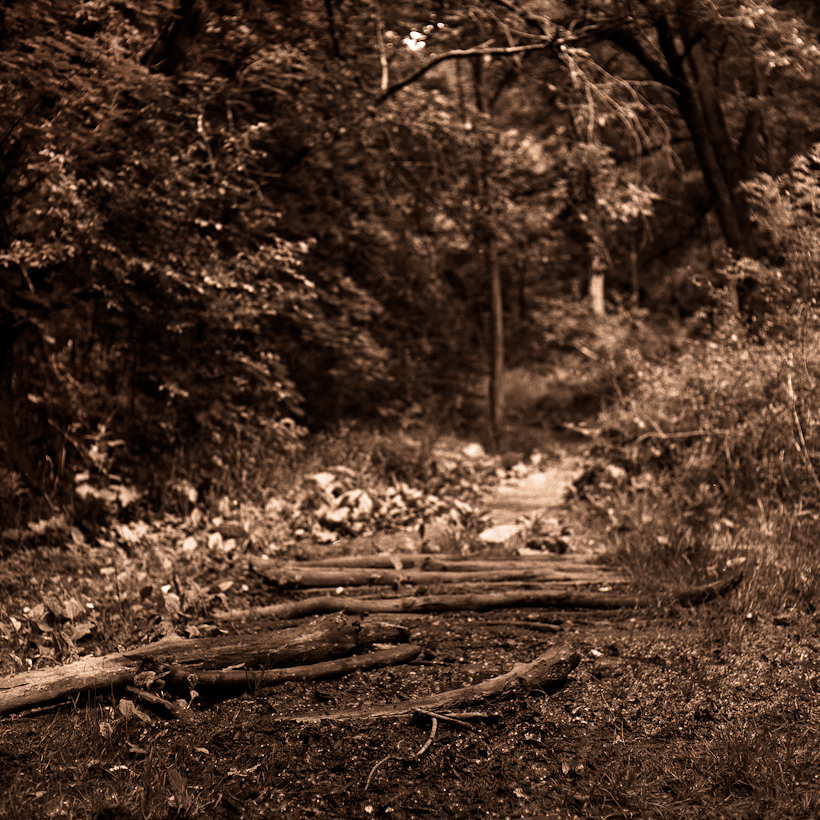 |
| Fomapan 100 in Xtol 1:2 + Rodinal 1:112 for 9 minutes 20c |
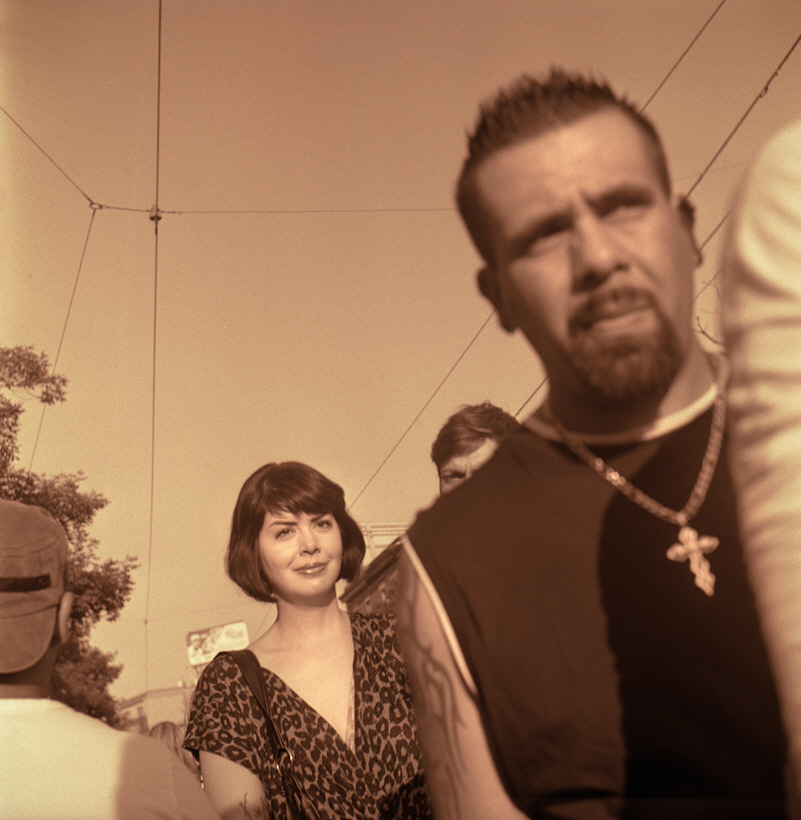 |
| Tri-X 400 at 500 souped in xtol 1:1.7 plus rodinal 1:100 for 9.5 minutes at 23c |
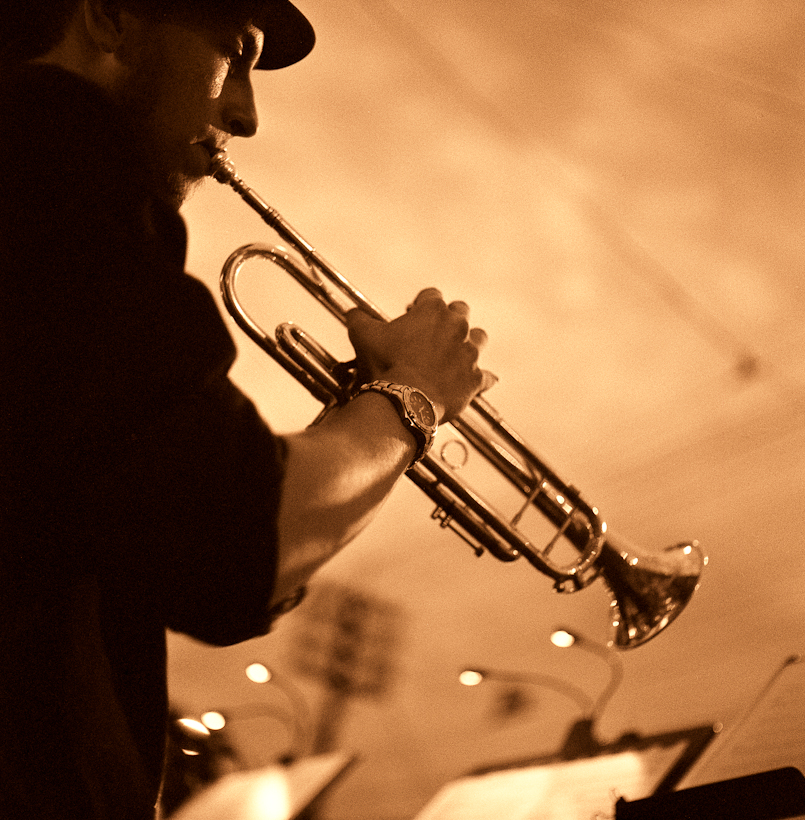 |
||
| Ilford Delta 3200 at ISO 3200 souped in xtol 1:2 plus rodinal 1:100 for 11 minutes at 25c (Pretty smooth for ISO 3200) |
Google Analytics 8 Months On The Path To World Domination
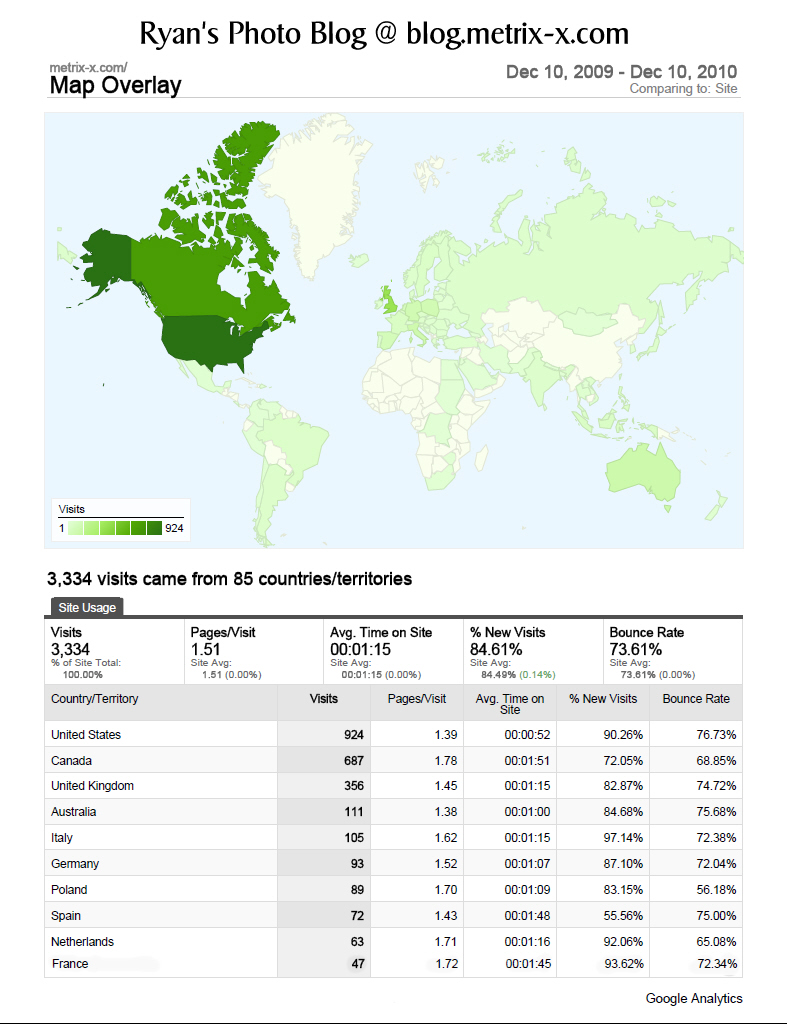
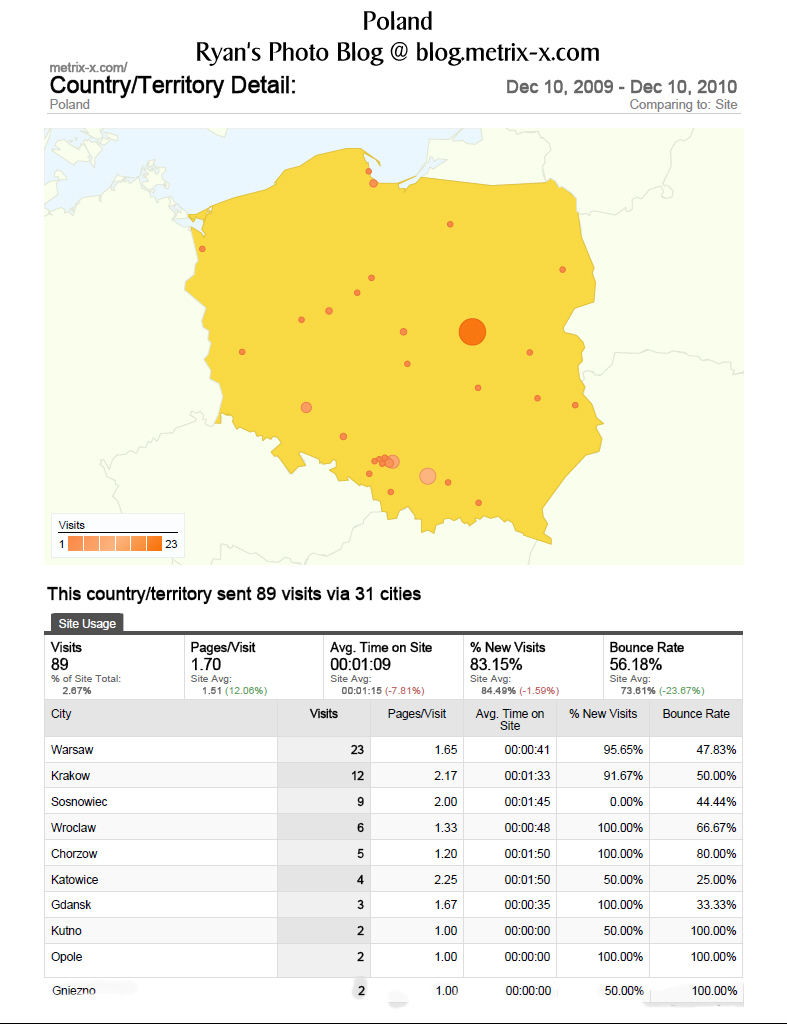
My Photo Blog at blog.metrix-x.com has been hosted by Google for 8 months now so the data is 4 months shy of a year. The interactive maps are one of the more interesting aspects of using Google analytics to track visitors. From the world map you can click down to the country and then down to the specific town.
The New Kodak Portra 400 – Wasn’t What I Was Expecting – A Short Review
 |
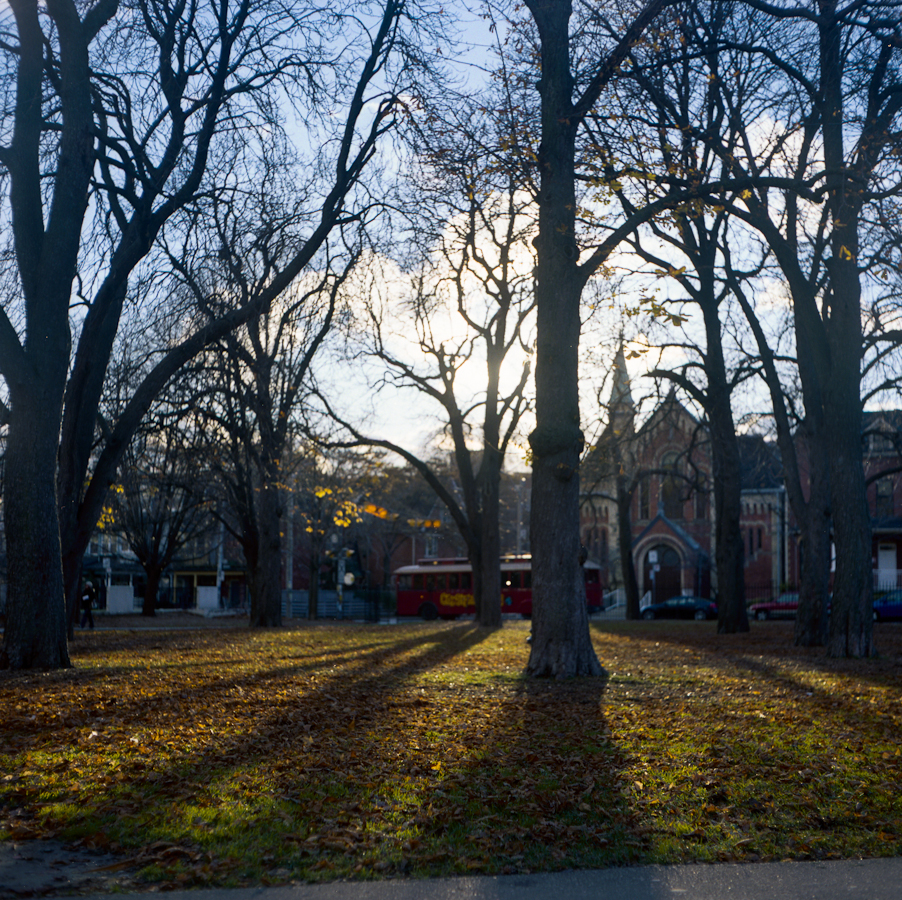
| From My First Roll Of The New Kodak Portra 400 Shoot With My Mamiya C220 |
It’s not often these days of digital that a new colour film is released by a major manufacturer.
Last month Kodak released a new Portra film to replace both the Portra 400 NC and Portra 400 VC with just straight Portra 400.
What was I expecting? Maybe a ISO 400 film with the best characteristics of Portra 160 VC and NC with maybe some of the pizazz of the new Kodak Ektar 100.
What I got was a perfectly tame film. Good skin tones better then the old VC version of the film with slightly more saturated colours then the old NC version.
Scanning is extremely easy, usually I have to play around with the scanner black and white points for each colour to extract the whole dynamic range of a negative. Not so with this Portra even under difficult sun back-lighting it’s one touch scanning. The problem with the scans is that they lack contrast basically dull with all the information packed nicely into a smooth histogram,unusable without further digital processing. Once processed the results are rather good.
Portra 400 is definitely not a replacement for Portra 400 vc or nc it is a entirely new film designed for the digital age. This film fits the needs of a professional photographer that needs a film that works consistently well with their digital workflow. It’s not for those that want to develop and go directly to print. Yet with a bit of post both the new Portra and Ektar can make large prints that blow the DSLR out of the water in both colour and resolution.
Pros : Accurate skin tones, Sharp, Medium Saturation, Easy to scan
Cons : Needs post processing to bring out contrast update
Best Uses : Difficult Lighting, Batch Workflow